REVIEW · MOAB
Utah Mighty 5 Adventure Bundle: 8 Self-Guided Audio Tours
Book on Viator →Operated by Shaka Guide Apps · Bookable on Viator
Utah in a car can feel like a blur—unless you have a good story guide. This Shaka Guide audio bundle keeps you moving while explaining what you’re seeing, where to stop, and what hikes to consider. It’s built for real driving days in real Utah distances, including remote stretches where phone service is spotty.
Two things I like a lot: offline GPS maps that keep working without Wi‑Fi or data, and hands-free audio narration that plays automatically as you drive. One possible drawback: you still need to handle your own park entry fees, and a couple of the big hikes in Zion require separate permits.
In This Review
- Key points before you start
- Moab is the smart starting point
- Price and value: $31.19 per group with no per-person math
- How the Shaka Guide app works on the road (offline, GPS, and battery tips)
- Day 1 in Zion: Kolob Canyons, Grafton, Emerald Pools, and the Narrows
- Day 2 in Bryce Canyon: Scenic Drive math, hoodoo names, and the rim trail payoff
- Day 3 through Capitol Reef: Chimney Rock climbs, Fruita orchards, and Scenic Drive fees
- Day 4 in Canyonlands: Island in the Sky, Mesa Arch sunrise, and Upheaval Dome
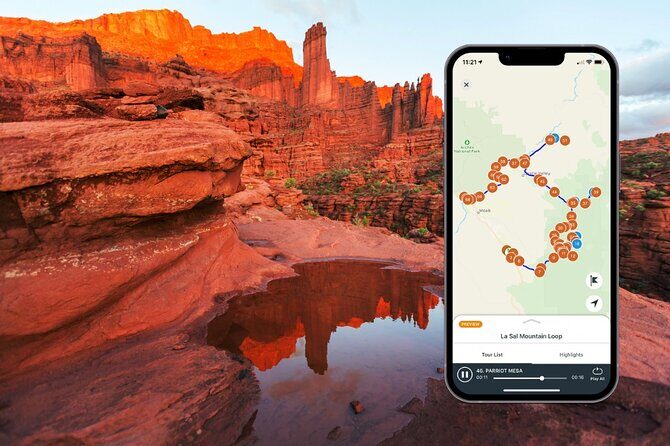
- Day 5 on the La Sal route: lakes, dinosaur tracks, towers, and Moab Giants
- Day 6 in Arches: Delicate Arch viewpoints, Fiery Furnace permits, and Devils Garden pacing
- Day 7 in Goblin Valley: Wild Horse Window, slot canyons, and the visitor center basics
- Day 8 beyond the main parks: Kanab-area slots, Moqui museum, Bryce extras, and Escalante River country
- Should you book this bundle?
- FAQ
- Do I need Wi‑Fi or data to use the GPS and maps?
- What’s included in the audio experience?
- Are national park entry fees included?
- Are permits for Zion hikes included?
- How long is the experience?
- Can I cancel and get a refund?
Key points before you start
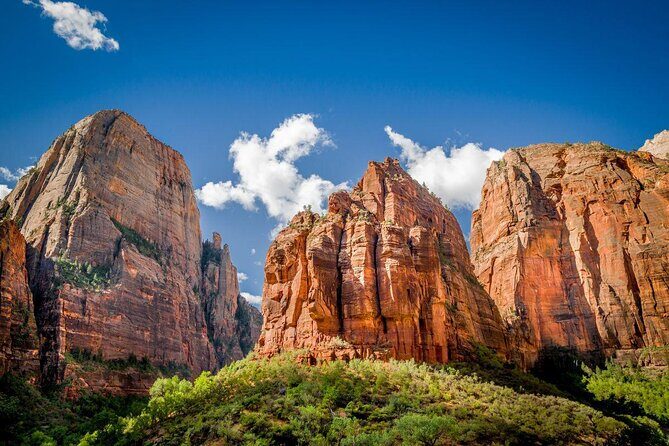
- Offline maps + GPS: directions and map work without a signal, which matters in the red-rock backcountry.
- Audio plays while you drive: turn-by-turn guidance plus stories and music that keep the drive from feeling empty.
- One price for the vehicle: it’s sold per group (up to 15), so you can pack friends and make it cheaper per person.
- Crowd-smart alternatives: the tour points out when a viewpoint is worth stopping for and when to swap a harder hike for an easier one.
- Built for flexibility: pause, resume, and stop longer where you want—without waiting for anyone else.
Moab is the smart starting point
I like this bundle because it’s centered on Moab, Utah—so you don’t waste time coordinating transfers. You’re basically using Moab as your hub, then your phone turns into a quiet co-pilot for multiple parks and scenic areas.
Moab also makes sense logistically. Many of the stops are designed around short drives and quick pull-offs, with a few longer hiking options when you want to stretch your legs. And because the app is set up for autoplay narration while driving, you can keep rolling between major “wow” stops without losing context.
The app is available in English, and the mobile ticket approach means you redeem and launch in the app rather than hunting for paper vouchers at each stop.
Other self-guided audio tours we've reviewed in Moab
Price and value: $31.19 per group with no per-person math
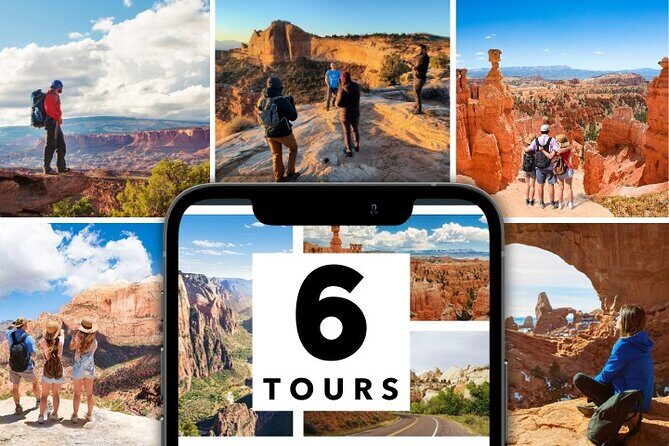
At $31.19 per group (up to 15), the audio part is priced like a budget carload activity, not an expensive guided tour. That’s the key value here: you’re paying for the one thing that normally costs extra—interpretation—while still driving at your pace.
Two cost realities to keep straight:
- Park entry fees are not included, so you’ll still budget for national park passes and any state park fees if your route includes them.
- Meals and refreshments are not included, so plan lunches like you would for a road trip.
Where this gets genuinely cost-efficient is if you’re traveling with family or friends and you’re the type who wants to stop often: viewpoints, short walks, and a bit of history without paying for a second “guide” every day.
How the Shaka Guide app works on the road (offline, GPS, and battery tips)
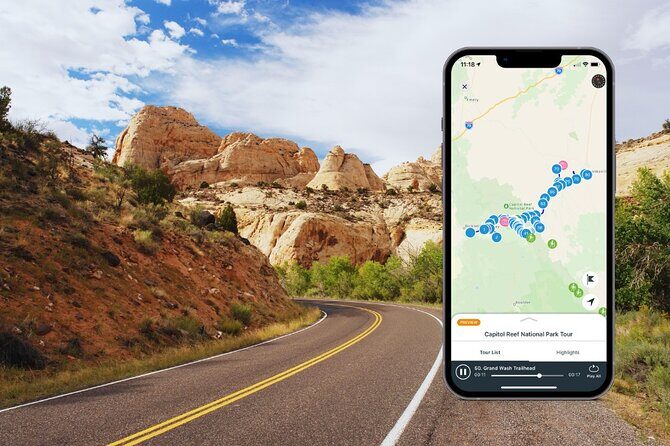
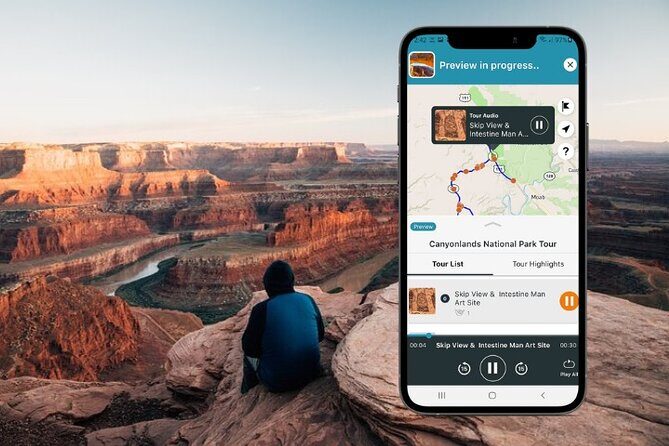
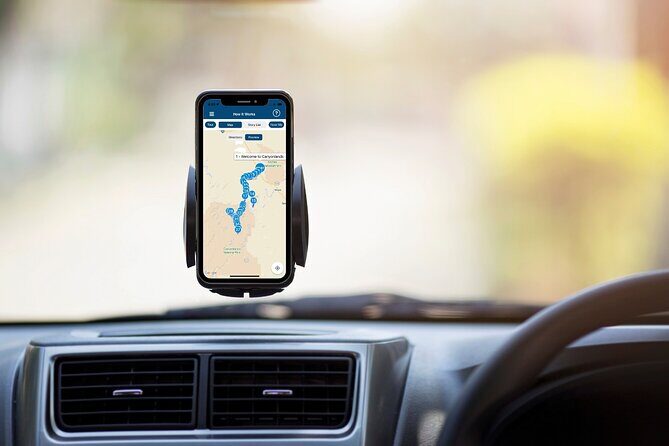
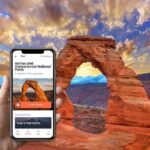
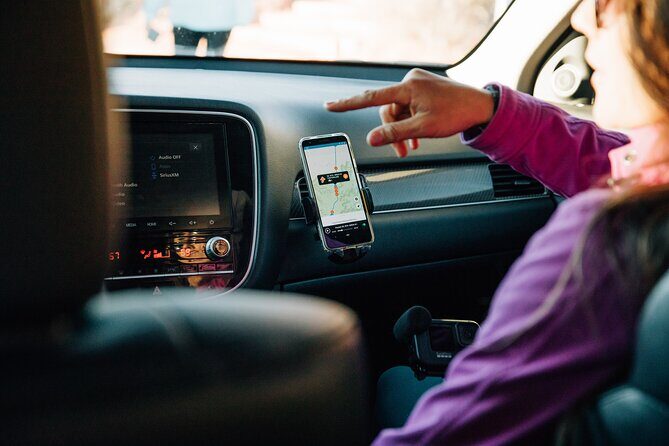
This bundle is built around the Shaka Guide app model: you download the tour (ideally using strong Wi‑Fi), redeem with a code, then let the route run using GPS-activated turn-by-turn directions.
Here’s what you’ll feel in the car:
- Stories, travel tips, and music play automatically as you drive.
- You get suggested stops with time expectations and what to look for.
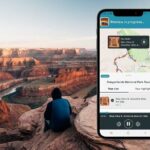
- The app includes an offline map, so you’re not stuck begging for service in remote areas.
One practical thing I picked up from real usage advice: GPS can eat phone battery. When you’re not actively using the car portion (for example, when you’re hiking or walking around), turn off the tour so you don’t arrive with a dying battery. Also, keep your phone plugged in while you’re driving.
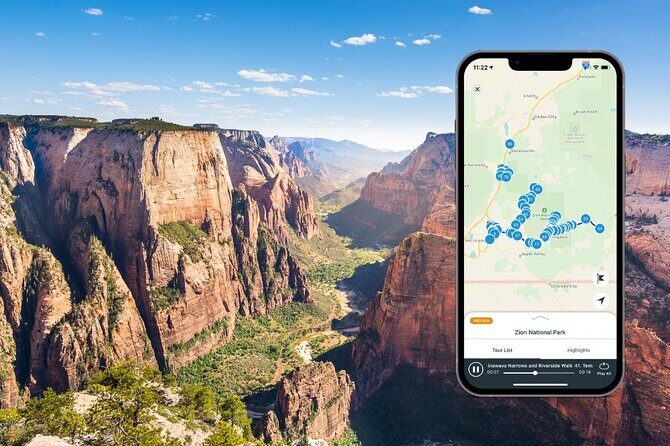
Day 1 in Zion: Kolob Canyons, Grafton, Emerald Pools, and the Narrows
Day one starts with Kolob Canyons. You’ll first check in at the Kolob Canyons Visitor Center for your park pass, then move to short, confidence-building stops like the Timber Creek Overlook Trail. It’s a quick hike that sets you up with big views without asking you to commit to a long outing.
Next comes La Verkin Overlook, then an audio segment for The Subway—the kind of place where you really do need the right permit setup. The guide notes the Wilderness Permit requirement for the Zion Subway route, and it even points out the two general ways you can take it (top-down vs bottom-up). If you don’t have that, you’re still set up to enjoy Zion’s scenery without chasing a plan that can’t happen.
Then the day shifts to history. Grafton Ghost Town is a highly photogenic Mormon settlement with cabins, houses, and a town hall. It also ties into pop culture (it’s mentioned as a filming location for a famous bike scene). The audio helps you slow down and notice details you might miss on your own.
In Zion Canyon proper, you’ll hit the Zion Canyon Visitor Center for maps, restroom breaks, and shuttle planning. If the shuttle line looks heavy, the tour recommends the Pa’rus Trail as a 1.7-mile alternative that leads toward the Human History Museum. From there, you can catch a ranger talk on the patio and enjoy the view of the Towers of the Virgin formation.
The stop list builds toward Zion’s signature hikes:
- Lower Emerald Pools: about a 2-mile walk with water trickling down sandstone and pools you can reach without extreme climbing.
- Angel’s Landing: the audio gives you the chain-assisted excitement, but it also clearly flags that Angel’s Landing requires a permit that’s not included. If you’re skipping the climb, Scout’s Lookout is positioned as the payoff option.
- The tour later reaches the end of Zion Canyon where you disembark for The Narrows.
You also get quick-hit geology moments like Court of the Patriarchs, Lava Point Overlook, Zion’s Great Arch (a blind arch), plus extra East Zion viewpoint stops like Canyon Overlook Trail and Checkerboard Mesa.
Day 2 in Bryce Canyon: Scenic Drive math, hoodoo names, and the rim trail payoff
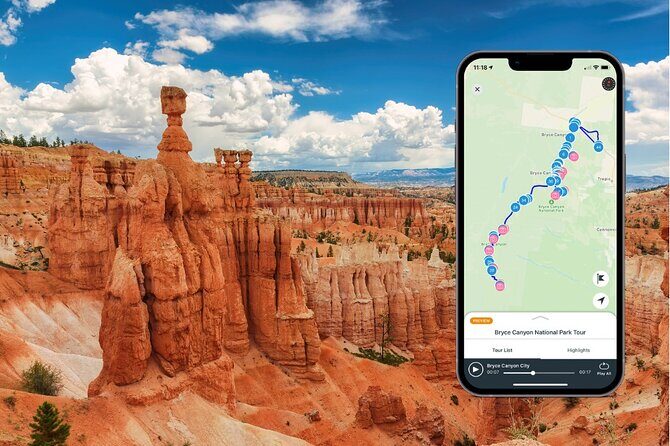
If day one in Zion is about carving a route, day two in Bryce Canyon is about viewpoint planning. The core of the day is the Bryce Canyon Scenic Drive, which strings together a lot of stops efficiently. The audio gives you “what to look for” context, so you’re not just collecting photos—you’re learning the hoodoo story while you drive.
You start with Bryce Canyon City and Ruby’s Inn as a convenient reset: stores, food options, and multiple tour styles (horseback, ATV, bike rentals, and more) if you decide you want extra activity beyond your self-guided plan.
Then you go into the park for the main viewpoints:
- Bryce Amphitheater: where you’ll see the densest hoodoo concentration and where several well-known hikes begin.
- Rainbow Point: the highest point in the park at about 9,100 feet, with big-panorama payoff.
- Yovimpa Point: a short walk that adds layers of the Grand Staircase view.
One thing I appreciate about the stop structure is the range of effort. You get short walks like Bristlecone Loop (through ancient bristlecone pines), then longer rim views like Inspiration Point where you can choose between multiple levels. The audio also points you toward rim-trail options like the easy-to-moderate route that leads toward Sunset Point.
The day also includes fan-favorite photo moments:
- Agua Canyon for hoodoo shapes (and a place where Thor’s Hammer is specifically called out).
- Piracy Point, described like an enchanted walk with a nickname tied to Hansel and Gretel, plus a distant shape that resembles a ship.
Toward the end, you’re guided to Mossy Cave Trail, described as peaceful and quick. The practical note: it’s technically outside park gates, so plan for that as you go.
Other guided tours in Moab
Day 3 through Capitol Reef: Chimney Rock climbs, Fruita orchards, and Scenic Drive fees
Day three feels like a “choose-your-own hike intensity” day. You begin in Torrey, where the tour reminds you to top up supplies before you leave town.
Then it heads to rock formations and viewpoints:
- Chimney Rock Loop Trail: strenuous at 3.6 miles with about 590 feet of climbing. The audio sets you up with the idea that you might do it later for better light at sunset.
- Panorama Point: a less strenuous option if you want a viewpoint without working for it.
- Goosenecks Overlook: a short walk from the car that still gives you huge elevation-change storytelling.
When you reach Capitol Reef, you’ll see the park’s rhythm: visitor center stop, orchards, then scenic roads.
- Capitol Reef Visitor Center plus a ranger talk option.
- Fruita Orchards via Ripple Rock Nature Center, with rules you should follow while enjoying fruit.
- Gifford House & Museum Store, including the idea of classic pie made from orchard fruit.
A key practical segment is the Scenic Drive: it’s 7.9 miles with spur roads. The audio warns you about flash floods—especially important in slot/canyon-style spurs—so it’s not just scenery commentary. It’s safety-minded road planning. Also, entry to the Scenic Drive costs $20 per car, which you’ll need to factor into your day.
For hiking, the audio points you toward:
- Grand Wash and its easy walk feel,
- Cassidy Arch, called strenuous (more than 400 feet of rise),
- Capitol Gorge Trail, with petroglyphs, a Pioneer Register, Tanks micro-ecosystem water pockets, and views like Golden Throne.
You finish with more “small time, big meaning” stops like Fruita Schoolhouse and Fremont Petroglyphs, then classic geology at Waterpocket Fold. The day also includes an optional ghost-town flavor at Notom plus viewpoints like Factory Butte.
Day 4 in Canyonlands: Island in the Sky, Mesa Arch sunrise, and Upheaval Dome
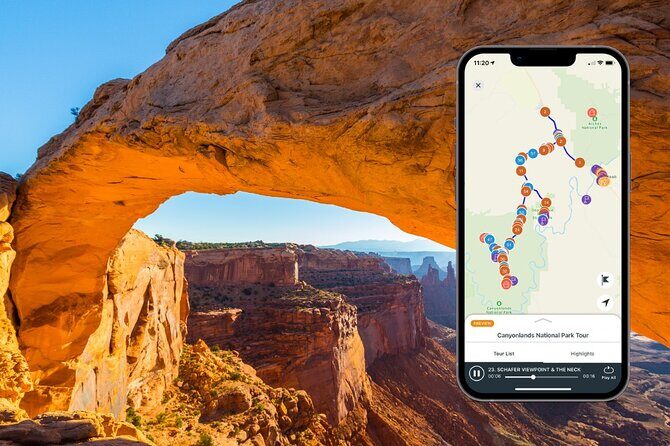
On day four you’re in Canyonlands National Park, focusing on the Island in the Sky district. The audio helps you stay on a coherent route and frames the big “signature stops” that people come for.
A practical win: the tour includes both Canyonlands viewpoints and linked nearby stop ideas like Dead Horse Point State Park, so you’re not stuck deciding on the fly.
Key stop energy:
- Mesa Arch: the audio calls out the sunrise crowd problem and recommends going early. It’s an easy half-mile round trip, which means you can chase that big payoff without burning your whole day.
- Candlestick Tower Overlook: a formation that’s also a rock-climbing landmark.
- White Rim Overlook Trail: an easy-ish 1.8-mile option for a wide 360-degree view, with an alternative short-walk overlook for less hiking.
Then it leans into the park’s “layer cake” feeling:
- Green River Overlook and other overlooks emphasize how rivers carved the region.
- Grand View Point Overlook includes the idea of a longer two-mile round trip to a tip with strong payoff.
For hiking that’s still manageable, you get Aztec Butte Trail (1.7 miles round trip to ancestral Puebloan granary structures) and Whale Rock (about a 1-mile hike, easy to moderate).
The day’s biggest brain teaser is Upheaval Dome, described as a mystery with multiple formation theories. The audio recommends a shorter one-mile round-trip to overlooks rather than the longer eight-mile wraparound option, which matters if you want to keep your day from turning into a rescue-prone marathon.
Day 5 on the La Sal route: lakes, dinosaur tracks, towers, and Moab Giants
Day five is a break from the big national-park-only rhythm. It’s about the La Sal Mountains and surrounding red rock “side quests.”
You start at Ken’s Lake, a campsite setting with a lake view and a short hike to a small waterfall. Then you hit Brumley Arch, where the audio notes it’s short at two miles round trip but steep, plus you’ll drive a gravel road to reach the trailhead.
For a “sit and breathe” option, you get Oowah Lake and Warner Lake, both tied to rainbow trout fishing and the chance of reflective mountain views. The tour also connects them with a popular 1.6-mile hike between the lakes.
Then comes Castle Valley, a broad panoramic stop that puts multiple landmarks into one view line, including Arches National Park and Canyonlands National Park. It’s a nice mental map moment before you return to Moab-area icons.
The audio also points to Bull Canyon Overlook and Dinosaur Track Site. It notes the detour time (around 30 to 40 minutes) and that no hiking is required, which is great when you want geology stories without more trail time.
For stone spires and towers, you’ll get stops like Castleton Tower, then Parriott Mesa (high elevation, with a challenging three-mile round trip hike if you’re prepared). Finally, you can choose an easier “formations and photos” approach at Fisher Towers.
The Moab-area history stops are the fun contrast:
- Moab Giants museum at Red Cliffs Lodge, with film-era memorabilia and pioneer artifacts, with no charge.
- Salt Wash and Takeout Beach ties to kayaking and rafting routes along the Colorado River section.
- Courthouse Wash pictographs, with a short about 500-foot walk.
Day 6 in Arches: Delicate Arch viewpoints, Fiery Furnace permits, and Devils Garden pacing
Day six goes all-in on Arches National Park, with the tour framing it as the park with the world’s highest concentration of natural stone arches. The audio is especially useful here because Arches is famous, crowded, and easy to “rush past” if you don’t have a plan.
Start with practical stuff:
- Arches Visitor Center: restrooms, water, and a note that it’s the only place in the park that sells food (and drinking water is only at the Devils Garden end of the road).
- Moab Fault Overlook: a quick science story that makes the terrain feel less random.
Then the drive-and-stop sequence feels like a greatest-hits set:
- Park Avenue Trail with the NYC comparison,
- Courthouse Towers for named formations,
- Petrified Dunes Viewpoint explaining the “sand became rock” idea,
- Balanced Rock Trail with the classic balancing hoodoo.
The audio routes you through the Windows Road, mentioning The Windows, Turret Arch, and Double Arch (tied to a film moment). Then you get Garden of Eden, where there’s no designated trail, so you’re reminded to watch your step for fragile biocrust.
By the time you reach Delicate Arch, the tour makes the options clear:
- There’s the famous Delicate Arch hike in the park.
- If you don’t want the 3-mile hike commitment or can’t get reservations for it, the tour points out two viewpoints where you can still see Delicate Arch from shorter walks.
Next is the “only-for-serious-planners” section:
- Fiery Furnace is described as permit-only, with permits limited and reserved online. The tour says it does not recommend it for this plan due to difficulty.
For easier arch stops:
- Sand Dune Arch Trail (short and kid-friendly in feel),
- Skyline Arch (framed window arch),
- Devils Garden (about a 2-mile walk with Landscape Arch highlighted as the longest arch in North America per the audio notes).
Day 7 in Goblin Valley: Wild Horse Window, slot canyons, and the visitor center basics
Day seven shifts to Goblin Valley State Park, where the formations look playful even when the trails get technical.
You start with Temple Mountain Wash Pictograph Panel, accessible by an easy-to-reach trail, with pictographs described as large and colorful in scale. Then you head to Wild Horse Window, an out-and-back 1.8-mile moderate walk.
The park pacing makes sense: a quick visitor center stop for newly renovated flushing toilets and ranger info, then more “stay longer if you like photos” viewpoint time at Goblin Overlook. The audio then moves to Three Sisters, which is described as the iconic set of three pillars.
Then it continues into canyon-style walking:
- Entrada Canyon Trailhead (about 1.8 miles out-and-back, around 40 minutes average),
- Little Wild Horse Canyon, described as family-friendly even with narrows where you turn sideways to fit.
This day is ideal if you want smaller crowds than the big parks and a “trail variety” mix without committing to a long hike every hour.
Day 8 beyond the main parks: Kanab-area slots, Moqui museum, Bryce extras, and Escalante River country
Day eight is a grab bag of southern Utah add-ons—some quick hikes, some cultural stops, and some geology detours that feel like the bonus chapters you always want on a road trip.
You start with Dinosaur Tracks Trailhead near the Utah Port of Entry area north of Kanab. It’s a moderate 1.5-mile round trip with about 200 feet of incline.
Next comes Sand Caves, man-made caves dug by miners in the early 20th century. The tour notes an easy hike of about a mile through sandy terrain and interconnected tunnels.
Then there’s a museum with exhibits tied to Moqui Indians and also geology and natural history of the region.
For slot canyon time, you get:
- Peek-A-Boo Slot Canyon (about 0.7 miles round trip),
- Elkheart Cliffs, described as stripy rock passages and potential dry falls, potholes, and possible pools.
The audio also includes a stop focused on a man-made tunnel drainage culvert under Highway 89, with the note that you’ll scramble down a short distance to reach it.
After that, the bundle adds town and art stops, including a community founded by Jack and Fern Morrison, the Maynard Dixon art gallery, and a historic Rock Church. There’s also mention of a shop (Rock Stop) with handmade crafts and local food/snacks, plus a Bryce Canyon City gateway description.
From there, you get Bryce-adjacent and Escalante-area options listed as stop suggestions, including Kodachrome Basin State Park and Escalante Petrified Forest State Park, then the Escalante Interagency Visitor Center for maps and permits. Scenic drive notes appear too, like Hell’s Backbone Scenic Byway and multiple overlooks, plus hiking routes like Lower Calf Creek Falls (about 6 miles round trip to a 126-foot waterfall) and Upper Calf Creek Falls (about 2 miles round trip to an 88-foot waterfall).
This day is great if you like customizing your last hours based on weather and energy.
Should you book this bundle?
I’d book it if:
- You want interpretation while you drive, not a pack of printed brochures.
- You’re road-tripping with a group in one vehicle and want to keep the audio cost low.
- You care about offline GPS for remote stops.
I’d skip it (or shorten your expectations) if:
- You don’t want to deal with park entry fees and plan your own hikes and permits.
- You’re hoping the bundle includes all the big Zion hiking permits. It doesn’t, and Angel’s Landing is explicitly flagged as permit-only.
FAQ
Do I need Wi‑Fi or data to use the GPS and maps?
No. The bundle includes an offline map and the GPS and map features are described as working completely offline, so you don’t need continuous Wi‑Fi or data during driving.
What’s included in the audio experience?
You get hours of narration with stories, travel tips, and music that plays automatically as you drive, plus turn-by-turn directions using GPS and the ability to start, pause, and resume on your schedule.
Are national park entry fees included?
No. Entry fees for national parks are not included, and the audio tour cost covers the self-guided audio and app experience only.
Are permits for Zion hikes included?
No. The audio notes that Angel’s Landing now requires a permit not included with park entry or the tour, and it also mentions Zion’s Subway requires a Wilderness Permit from the Zion lottery.
How long is the experience?
It’s sold as an 8-day self-guided adventure bundle, with the provided stops paced for multi-day driving from Moab and back.
Can I cancel and get a refund?
Yes. You can cancel up to 24 hours in advance for a full refund, and cancellations within 24 hours aren’t refundable.