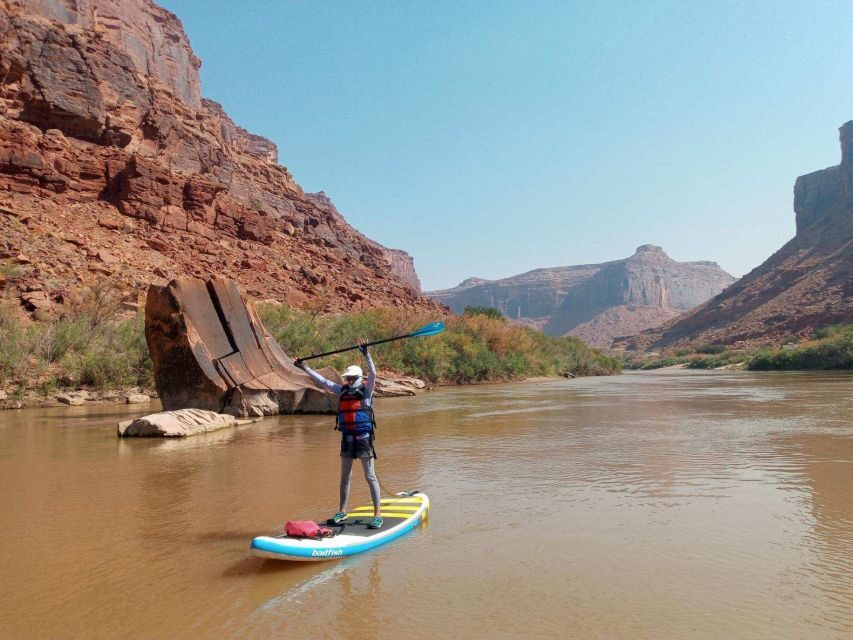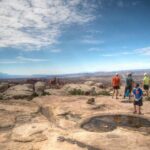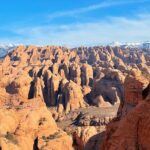
Moab’s version of a front-row seat to the Colorado River.
A 5-day Cataract Canyon trip takes you through Canyonlands National Park on a long stretch of river that’s famous for big scenery and big water. Depending on when you go, you’ll either hit the spring-runoff chaos of the season or float calmer stretches later on—either way, this isn’t a lazy cruise.
Two things I really like: you get real guided time on the water with a professional crew, and you also get on-shore stops to see ancient Anasazi ruins plus pictographs and petroglyphs that are older than the canyon’s modern reputation. One thing to think about: water conditions change a lot by month, so your experience can be much rowdier in May, June, and early July than later in summer.
In This Review
- Key highlights at a glance
- Why Cataract Canyon feels different from most Moab rafting
- Meeting in Moab, then getting to the put-in fast
- Day 1: A calm start, plus Anasazi ruins and riverside camp life
- Day 2: Canyonlands views, Dead Horse Point nearby, and long floating time
- Day 3: The confluence day—then the first taste of Cataract
- Day 4: Mile Long and Big Drop—when the river stops negotiating
- Day 5: Lake Powell motor back out, then return options to Moab
- Motorized J-Rig or oar raft: why your boat choice matters
- Food, drinks, and what’s actually included
- Safety and coordination: what to expect from the crew
- Value check: is $1,398 per person worth it?
- Best time to go: May through October in plain terms
- What kind of traveler should book this?
- A few practical tips before you go
- Should you book Cataract Canyon for 5 days?
- FAQ
- How long is the Cataract Canyon rafting trip?
- Where do I meet, and how does the trip start?
- What meals are included?
- Is vegetarian food available?
- Do I need to be in good physical shape?
- What if I need to cancel, or the weather isn’t good?
Key highlights at a glance
- Small-group pace (max 15 travelers): more personal attention and an easier flow from boat to camp.
- Canyonlands by water, not from a road: you drift through the park’s wind-sculpted sandstone with constant views.
- Rapids that have names for a reason: Doll House area, then the Mile Long and Big Drop series.
- Ancient sites built into the day: short hikes that break up the float while adding serious depth.
- Two different water “moods” by season: raging torrents in spring-runoff months, warmer sandbars later.
- Finish at Lake Powell (Hite Marina): the trip ends with a motor segment and then transport back to Moab.
Why Cataract Canyon feels different from most Moab rafting
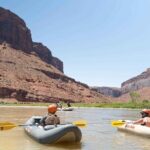
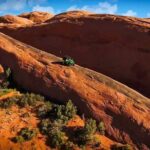
There are a lot of rafting trips that show you a river. Cataract Canyon shows you the canyon itself—close up, from the inside, hour after hour. In Canyonlands National Park, the river cuts through layers of sandstone shaped into spires, pinnacles, mesas, and amphitheaters, and you keep moving past it all day long.
If you’re picturing a “whitewater greatest hits” vacation, this one fits. In the high-water months—May, June, and early July—spring run-off fills the canyon with raging torrents. Later, July through October, the river calms down but does not turn gentle. And in later summer, you can catch pristine sandbars and warm water—exactly the kind of payoff that makes the whole trip feel worth it.
Other Cataract Canyon rafting trips we've reviewed in Moab
Meeting in Moab, then getting to the put-in fast
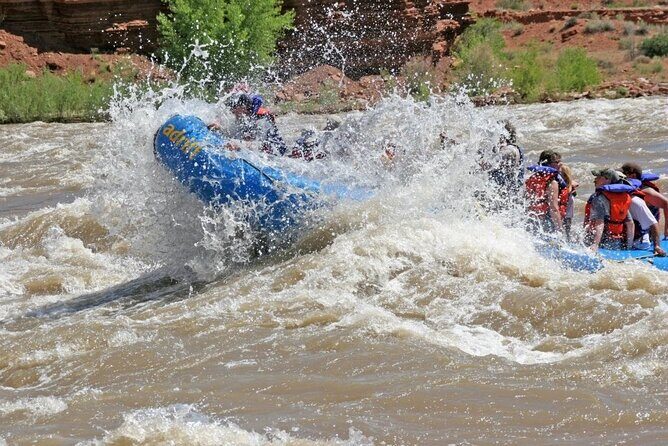
Your day starts at Adrift Adventures at 378 N Main St in Moab. The schedule is pretty tight: meet at 7:15 a.m., with a 7:30 a.m. departure. You leave your vehicle in their parking lot, and you’re transported to the river put-in.
This matters more than it sounds. By getting you to the canyon early, you’re not wasting the prime daylight on driving. You’re already on the river when you want to be—especially important in warmer months when the day can get hot fast.
Day 1: A calm start, plus Anasazi ruins and riverside camp life
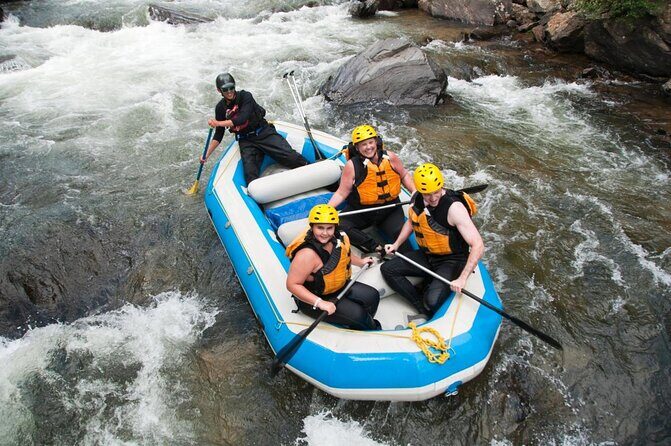
Day 1 is your “get your bearings” day on the Colorado River. You’ll spend the first hours floating over flatter water, and you’ll get a few short hikes to stretch your legs—anywhere from about five minutes up to around half an hour.
The on-land stops are a big part of why this trip feels grounded in place. You’ll see ancient Anasazi ruins, plus pictographs and petroglyphs that are over a thousand years old. It’s the kind of contrast that makes rafting more than just thrills: the canyon has a human story layered on top of the geologic one.
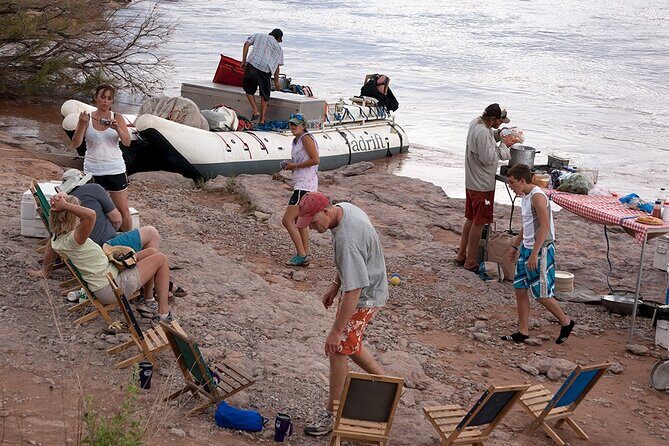
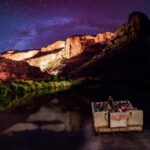
Back at camp, the rhythm stays simple. Your lodging is on the riverbanks, and the setup makes it easy to relax without needing to invent a plan. If you want downtime, you can check out the river library or hang out with simple camp games like horseshoes, volleyball, or backgammon.
What to know: you still have a full day outdoors. The start is calmer, but you’re building stamina for the rapids that come next.
Day 2: Canyonlands views, Dead Horse Point nearby, and long floating time
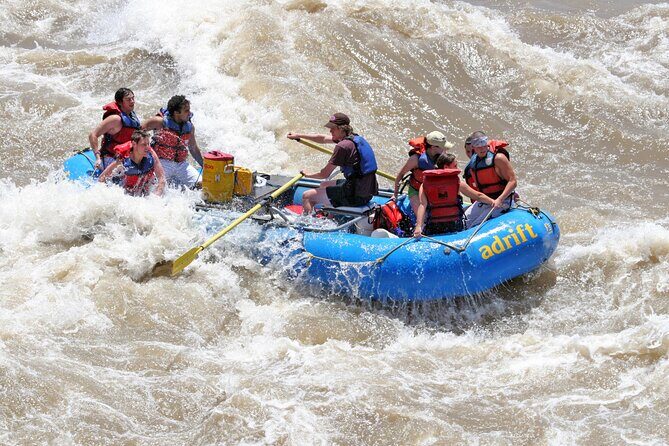
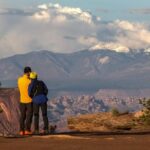
By Day 2, you’re in the heart of Canyonlands National Park. You’ll see views connected to the broader region, including Dead Horse Point State Park, and you’ll visit the Indian ruins of Lathrop Canyon.
Then it’s almost all river time. You’ll drift through wind-sculpted sandstone country for much of the day, and you’ll have time for off-river hiking and other points of interest. Day 2 is deliberately quieter than the rapids-heavy days ahead, which is great if you want a breather without losing the adventure.
Camp is again on the riverbanks, so you keep that close-to-the-water feeling. There’s something satisfying about doing two full days where you’re not constantly breaking camp and moving, but still moving all day.
The practical takeaway: Day 2 is a good day to savor the scenery and settle into the rafting rhythm before the big named rapids hit.
Day 3: The confluence day—then the first taste of Cataract
Day 3 is where the trip starts turning from scenic rafting into “this is the real deal” rafting.
You’ll start with an early morning hike to a loop where the boats are waiting on the other side. That short hiking-to-boats transition is one of those trip details that makes it feel more like a route through the canyon rather than just a continuous float.
Then you’ll float to the Confluence of the Green and Colorado Rivers. Standing there (from the river) is a moment that helps you understand why this place is famous: two major rivers meeting under giant canyon walls sets the stage for what you’re about to run.
After the confluence, you enter the heart of Cataract Canyon. You’ll run the first rapids, including drifting past the Doll House area, where outlaws used to hide out. The name alone hints at the vibe: this section feels like it has stories baked into the rock.
You finish Day 3 with another riverside camp night—again giving you a chance to cool off, eat well, and reset for the serious rapids ahead.



Day 4: Mile Long and Big Drop—when the river stops negotiating
Day 4 is the day the canyon earns its reputation.
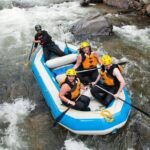
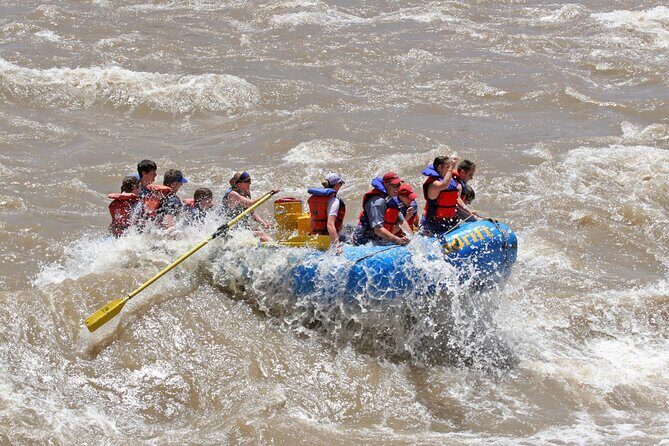
You’ll spend the majority of the day on the rapids, specifically the Mile Long and Big Drop series. The Big Drops are described as some of the wildest rapids in the country, and that’s the right expectation to hold. This is not the day to treat the trip like an easy activity.
At the same time, this is where the value of a professional guide really shows. A big-water day is not just about bravery—it’s about positioning, timing, and how you read the river with your crew. The trip includes a professional guide, and Adrift Adventures is clearly experienced at keeping groups organized and moving safely.
This is also a good day for your mindset: don’t just brace for impact. Watch how your crew talks and moves. It’s a craft, not a stunt.
Day 5: Lake Powell motor back out, then return options to Moab
Your last morning brings more river moments—more tales from Cataract Canyon—then you switch to a motor segment through Lake Powell.
The trip ends at Hite Marina in the early afternoon. From there, chartered transportation takes you back to Moab. Plan on being back around 3:00 to 4:00 p.m., and you have choices depending on the option available:
- a return flight of about 50 minutes
- or a return van ride of about 2.5 hours
This ending is handy because it wraps the adventure quickly. You’re not spending all day on the road, which matters because rafting days already take a lot out of you.
Motorized J-Rig or oar raft: why your boat choice matters
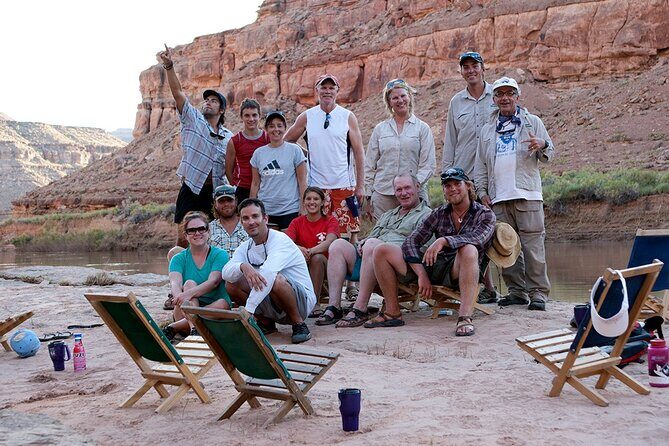
Cataract Canyon can be run on either a motorized J-Rig or one of Adrift’s 18-foot oar rafts. If you’re the kind of traveler who pays attention to how a trip feels, this difference can be noticeable.
- A motorized setup can mean a smoother overall rhythm, and you may spend more energy focusing on the rapids rather than the mechanics of rowing.
- An oar raft tends to feel more hands-on and classic-river, and you’ll likely notice more of the human side of moving through current.
Either way, you still get the same core experience: the Colorado River through the Cataract Canyon section of Canyonlands, with the key rapids and stops that define the route.
Food, drinks, and what’s actually included
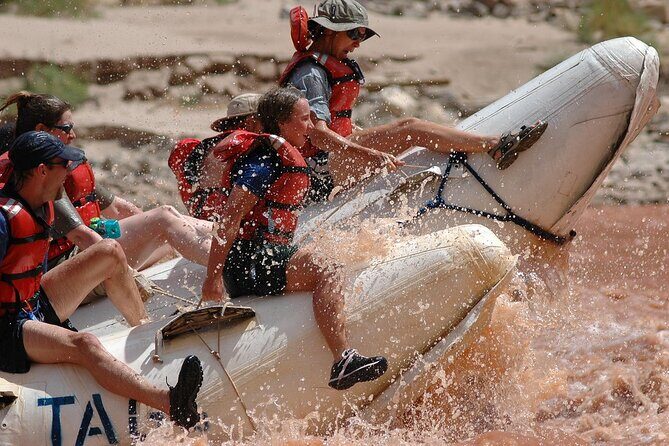
This is one area where the trip gives you real value: meals and logistics are handled.
Included:
- Beverages
- Meals as per itinerary: 4 breakfasts, 5 lunches, 4 dinners
- Snacks
- Professional guide
- National Park fees
- All taxes, fees and handling charges
Not included:
- Alcoholic drinks (available to purchase)
- Hotel pickup and drop-off
- Return transportation (extra charges apply)
You can also request a vegetarian option when booking, and it’s good to flag dietary requirements ahead of time.
Why this matters: after a day on the water, you want calories and hydration without planning a thing. Having food built into the schedule is part of why a 5-day rafting trip stays fun instead of becoming work.
Safety and coordination: what to expect from the crew
Cataract Canyon is active whitewater territory, so safety isn’t optional—it’s the whole game.
From what I’ve seen echoed about Adrift trips, groups consistently feel that things are well coordinated, including drop-off and pick-up timing, and that even non-outdoorsy folks can relax once the guides take over. There’s also evidence of experienced guide leadership—names like Cam, Geddy, Charlie, and Rizzi show up as examples of how crews manage the day and support group needs.
I’d still recommend you do your part: listen closely during briefings, keep your gear organized, and bring the right layers. A big-water day rewards people who show up prepared and stay calm.
Value check: is $1,398 per person worth it?
At $1,398 per person for about 5 days, you’re paying for several things at once:
- a guided multi-day trip in a protected national park
- park fees included
- a professional guide
- meals, snacks, and beverages
- transportation tied to the river route (with some add-ons for the end)
A lot of “value” rafting deals look cheap until you add up park fees, food, and the real cost of transportation. Here, the trip bundles a lot into one price, which helps you budget without surprises.
That said, this is still a premium adventure. If your goal is mainly scenery with minimal risk or effort, you may prefer a gentler outing. But if you want a true Canyonlands river run—complete with named rapids and riverside camping—this is the kind of price that reflects what’s actually happening.
Best time to go: May through October in plain terms
This trip’s feel depends heavily on the month:
- May, June, early July: spring run-off brings the wildest whitewater, with raging torrents.
- July through October: the river calms down but stays active.
- Later summer: you may find pristine sandbars and warm water, which can make the calmer stretches more pleasant.
If you want the most excitement, go early in the season. If you want a balance of action and comfort, later summer can be a strong bet.
What kind of traveler should book this?
This trip fits best if you:
- want a real multi-day river experience, not a quick float
- are okay with being outdoors for days and sleeping on the riverbank
- have moderate physical fitness, since there are hikes and long days
- don’t mind that the river can be rougher depending on the season
It also works for families only when kids are comfortable with the outing, because children must be accompanied by an adult.
A few practical tips before you go
- Pack for the idea that weather can change. The trip operates in all weather conditions, so dress appropriately.
- Bring layers. Even in warmer months, river days can feel cool and windy at times.
- Plan your expectations: short hikes break up the float, but this isn’t a “museum and sidewalks” trip.
- If you have dietary needs (including vegetarian), advise at booking.
Should you book Cataract Canyon for 5 days?
If you’re torn between a quick rafting day and a big adventure, this is the kind of trip that turns Moab into more than a photo stop. You get multiple days on the river, camp life on the banks, ancient sites, and then the named rapids that make Cataract Canyon a bucket-list run.
I’d book it if you want your vacation to feel like the river is the centerpiece and you’re comfortable with active whitewater conditions that vary by season. I’d think twice if you want guaranteed gentle water or you’re looking for minimal physical effort.
Either way, this is a high-impact trip: the canyon does the talking, and you’re along for the ride.
FAQ
How long is the Cataract Canyon rafting trip?
This experience runs for about 5 days.
Where do I meet, and how does the trip start?
Meet at Adrift Adventures, 378 N Main St, Moab, UT at 7:15 a.m. for a 7:30 a.m. departure. Your vehicle can be left in their parking lot, and you’ll be transported to the river put-in.
What meals are included?
Meals included are 4 breakfasts, 5 lunches, and 4 dinners, plus snacks and beverages.
Is vegetarian food available?
Yes. A vegetarian option is available if you request it at the time of booking.
Do I need to be in good physical shape?
You should have a moderate physical fitness level. The days include rafting time and some hiking, including an early morning hike on Day 3.
What if I need to cancel, or the weather isn’t good?
The experience is non-refundable and cannot be changed for any reason. If it’s canceled due to poor weather, you’ll be offered a different date or a full refund. If it’s canceled because a minimum number of travelers isn’t met, you’ll be offered a different date/experience or a full refund.