REVIEW · MOAB
Canyonlands National Park Half-Day Tour from Moab
Book on Viator →Operated by NAVTEC Expeditions · Bookable on Viator
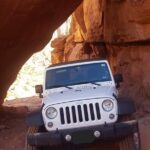
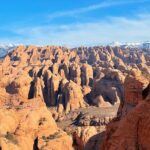
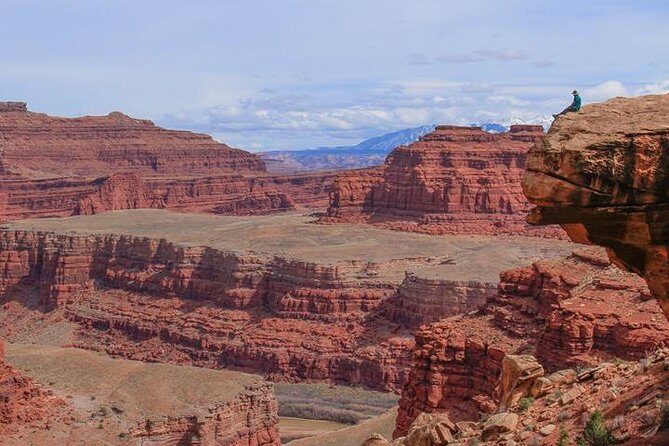
Red rock, rough roads, big Canyonlands views. This half-day 4WD tour from Moab takes you down the White Rim Road and up the Shafer Trail, with Pueblo rock art stops and classic canyon viewpoints like Gooseneck Overlook. I love having a pro drive the narrow switchbacks, and I love the mix of short photo walks plus big out-the-window moments. The possible drawback: this is a bumpy, noisy off-road ride with real cliffside exposure, so it can feel intense if you’re sensitive to heights.
You’ll cover the highlights in about four hours without spending the day gripping the steering wheel. I like that the pace is built for photos—your guide pulls you into great spots, then lets you step out briefly at overlooks and trailheads. Plus, the storytelling lands better when someone ties what you’re seeing to Pueblo stories and red-rock geology. Just plan on paying the Canyonlands entrance fee if you don’t already have a park pass.
In This Review
- Key things that make this tour worth your time
- Why a Moab 4×4 is the smart way to see Canyonlands
- Price and value: what $196.96 really covers
- How the 4-hour schedule feels in real life
- Potash Road and the Moab rock art sites: where the story starts
- Island in the Sky and the White Rim: the payoff is both views and driving
- Gooseneck Overlook, Musselman Arch, and those classic named points
- Shafer Trail switchbacks: the climb you’ll remember
- Guides make the difference: history and geology in plain talk
- Practical tips so you enjoy the ride more
- Should you book this Canyonlands Half-Day 4WD tour?
- FAQ
- How long is the Canyonlands National Park half-day 4WD tour from Moab?
- Where does the tour start and end?
- Is pickup available?
- What’s included in the tour price?
- Are Canyonlands National Park entrance fees included?
- What stops does the tour include?
- Is the tour available in different time periods?
- What should I bring?
- What happens if the tour can’t run due to weather or not enough travelers?
Key things that make this tour worth your time
- Professional driving on the best 4WD roads so you can focus on the views, not the steering wheel
- White Rim Road + Shafer Trail loop-style experience with big elevation and cliffside switchbacks
- Rock art stops on the way in and out for context, not just scenic stops
- Photo-focused viewpoints like Gooseneck Overlook and Thelma and Louise Point
- Musselman Arch with a short stroll that still feels like a payoff
- Small-group feel (the max is 20 travelers, and some vehicles run very small)
Why a Moab 4×4 is the smart way to see Canyonlands
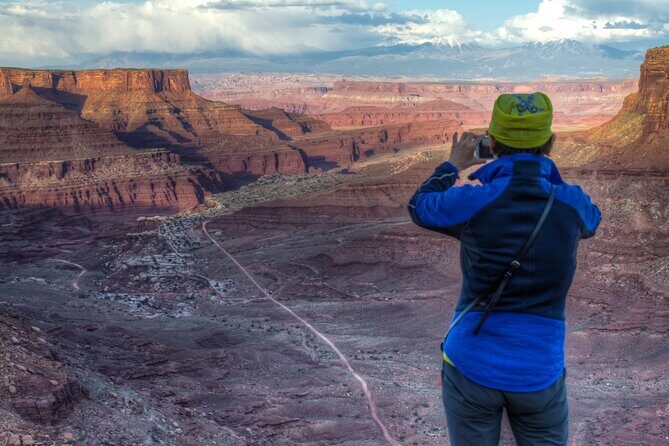
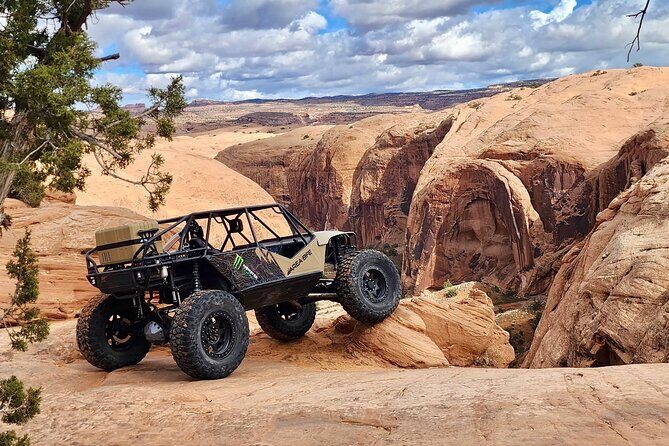
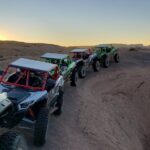
Canyonlands is one of those parks where the “best parts” are often the hardest parts to reach. A regular car can’t do the roads that really open up the Interior—so the 4WD format matters. This tour is built around the Island in the Sky district and the White Rim Road system, where the canyon drops fast and the views come in layers.
For me, the win is simple: I’d rather spend my energy photographing and taking in the scale than white-knuckling steep, narrow switchbacks. The guide also makes the scenery make sense. Instead of just seeing red rock, you learn how the Pueblo people used the area and how the geology shaped the cliffs you’re looking at.
One more plus: you’re not stuck with a cookie-cutter stop list. The tour includes the big-name lookouts, then mixes in less-visited viewpoints where you get more breathing room and better angles.
Other Canyonlands National Park tours we've reviewed in Moab
Price and value: what $196.96 really covers
At $196.96 per person for a roughly four-hour tour, you’re paying for three things: a professional guide, a 4×4 vehicle designed for the terrain, and access to roads and viewpoints that most visitors won’t reach without local driving skill.
What isn’t included is important. The Canyonlands park entrance fee is not part of the tour price (it’s listed as $15/person unless you have a pass). Add that in and you’ll be close to what you’d pay for a “tour day” anywhere else—but here, the cost includes serious off-road driving and interpretation tied to what you’re seeing.
You also get practical perks that matter on the ground. You’ll have transport, ice water, and time at viewpoints set up for pictures. It’s not a “sit on a bus and glance out the window” day. It’s more like having the park’s best angles handed to you, one careful stop at a time.
If you’re deciding between driving yourself and booking a tour, ask one question: can you confidently handle rough roads and cliffside switchbacks? If the answer is no, this price starts to look like value fast.
How the 4-hour schedule feels in real life
The tour meets in central Moab at 321 N Main St. In plain terms, that’s easy to access whether you’re staying downtown or just rolling into town. Pickup is offered as additional options, and you’ll confirm timing ahead of the tour.
Once you’re loaded into the 4WD, you’ll do the drive out to Canyonlands (about 30 miles from Moab, as described). Then the real action starts: switchbacks, canyon overlooks, and short breaks to stretch your legs and take photos.
Expect the day to move in “chapters.” There’s the drive and initial rock art stop(s), then a longer block through the Island in the Sky area and the White Rim road system. Midway you’ll hit major photo points and a short hike to Musselman Arch. After that, you get the big climb back up via the Shafer Trail switchbacks, finishing with a return to the meeting point in Moab.
One more scheduling tip: the tour is offered in morning, afternoon, or sunset options. If you’re the type who plans your trip around light, the evening departures can make the canyon walls look dramatic.
Potash Road and the Moab rock art sites: where the story starts
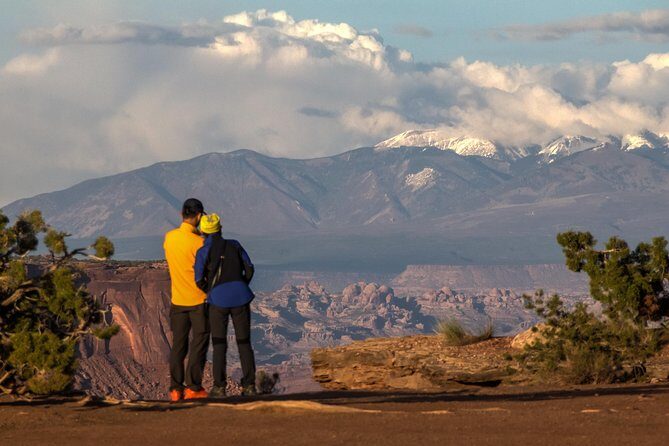
The first stops focus on markings—petroglyphs and rock art—before you even get the full canyon drop. That’s a smart setup. It helps you understand that Canyonlands isn’t just scenery. It’s part of a long human story in the Four Corners region.
You’ll stop along Scenic Byway 279 at a petroglyph rock art site (Potash Road). Then you’ll visit the Utah Scenic Byway 279 Rock Art Sites, which are described as easy access and manageable even for visitors who don’t want a long walk.
What I like about this approach: it changes how you look at the park. After you see the rock art and learn what people left behind, the cliffs and ridges feel less empty. You’re watching a landscape that was used, noticed, and marked.
A practical note: these are outdoor stops, so sun protection and a hat matter. Also, bring your camera—but don’t obsess. Sometimes the best photos come from taking a moment to understand the setting, not just aiming.
Island in the Sky and the White Rim: the payoff is both views and driving
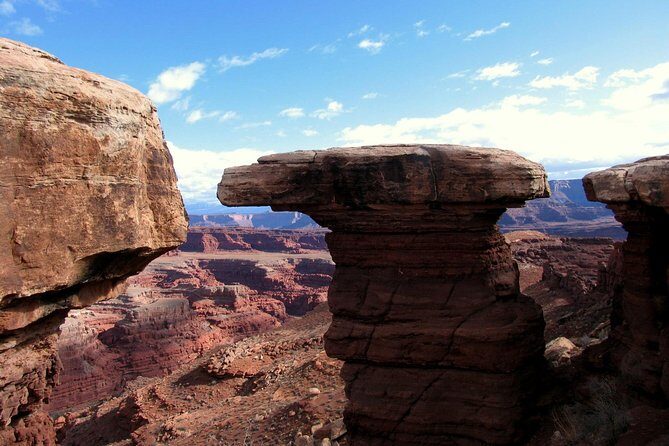
Once you enter Canyonlands, you’ll switch from “driving through” to “driving into.” The tour heads into the Island in the Sky district and then works the White Rim Road area described as looping around the mesa for many miles.
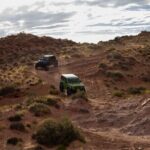
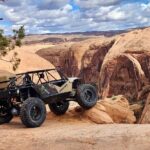
This is the section where the 4WD really earns its keep. The route includes switchbacks and rougher terrain that most visitors won’t experience. You’ll also get big vertical drop views—where the canyon walls drop around 1,000 feet (300m), as described.
The guide plays a big role here. You’re not just seeing the red rock; you’re learning the geology and the human history tied to what you’re looking at. That interpretation can be the difference between “pretty canyon” and “I understand why this looks like this.”
Also, the tour doesn’t treat this like one long bus ride. You’ll stop for viewpoints, and at many stops you’ll have the option to take short trails off the main area. Those short walks can turn a good photo into a great one because the angle changes fast.
A few more Moab tours and experiences worth a look



Gooseneck Overlook, Musselman Arch, and those classic named points
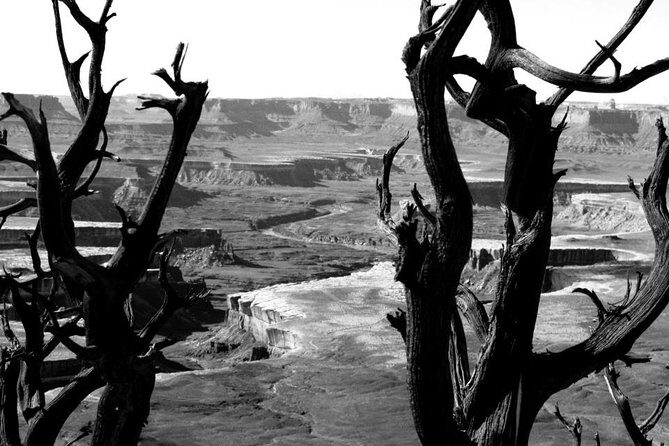
The tour includes several headline viewpoints you’ve probably heard of in Canyonlands planning circles. But what matters is the how—where you stop, what you learn while you’re there, and how much time you get.
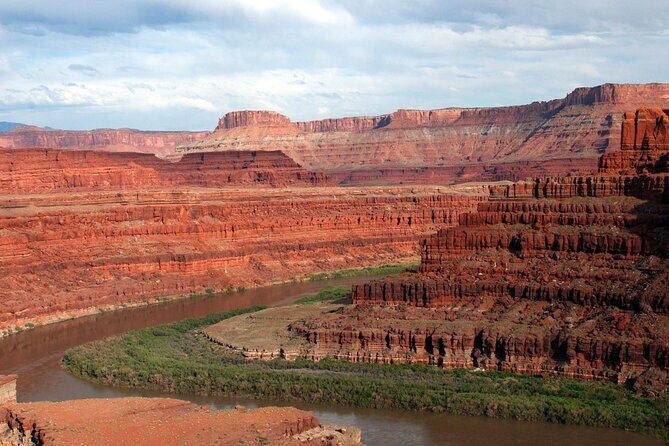
One key stop is Gooseneck Overlook, built around a huge view of the Colorado River as it bends through the canyon country. The tour also references Musselman Arch and viewpoints like Thelma and Louise Point—which are well known because they give you dramatic, photogenic angles.
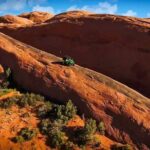
Then comes Musselman Arch itself. You’ll follow the bench along the White Rim, and there’s a short walk described as about 300 feet to see the arch. This is the kind of hike that feels like a “leg stretch” but still delivers a real destination.
Time-wise, it’s laid out so you get the arch without losing the whole afternoon to walking. That’s great if you’re traveling with limited patience for long hikes, or if you just want to see a lot without grinding.
Drawback to consider: the off-road element means you’re going to feel dust, bumps, and noise. So if you’re hoping for quiet, scenic serenity, temper expectations. You’re here for views and access, not spa-level comfort.
Shafer Trail switchbacks: the climb you’ll remember
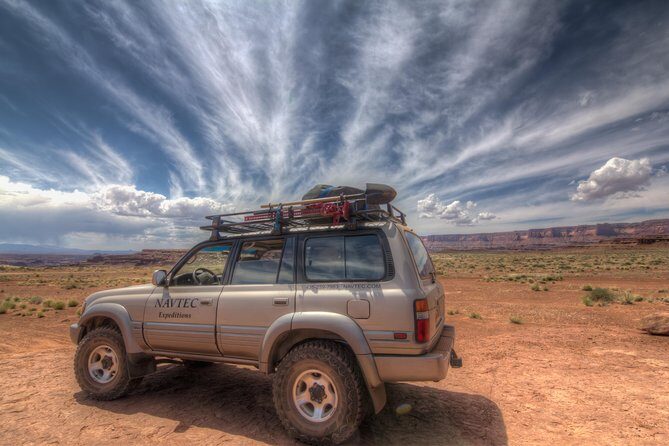
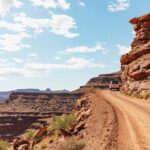
The signature moment for many people is the Shafer Trail ascent. The tour returns along the White Rim road section and then heads for the iconic switchbacks, described as climbing about 1,000 feet (300m) up toward the rim of Island in the Sky.
This segment has two layers. First, the scenery: you get to look out over the backcountry as you climb, and the canyon views widen as you gain elevation. Second, the feeling: the drive is technical enough that having a guide who knows the terrain can make a big difference in comfort and confidence.
In the reviews you gave, guides like Cody, Blaine, Adam, Warren, Annie, Courtney, Hayden, Ben, and Greg show up repeatedly—and the consistent theme is that they make the ride feel safe while still treating it like adventure. People mention how a great driver can turn a potentially scary road into something that feels fun and controlled.
One small comfort note from reviews: the center seat in the back can be less comfortable in some vehicles. That won’t apply to every vehicle setup, but it’s worth keeping in mind if you’re picky about seating.
Guides make the difference: history and geology in plain talk
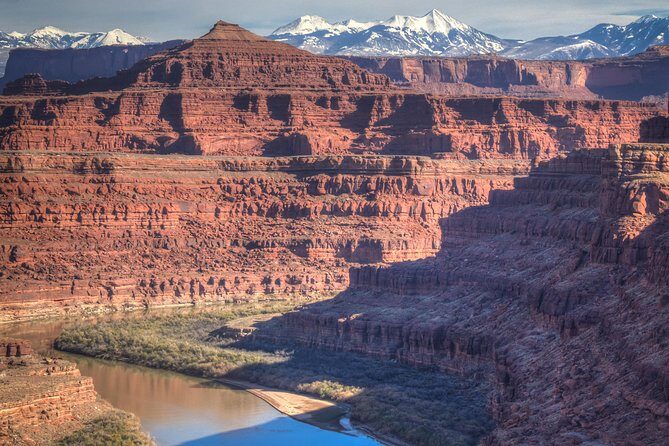
A canyon tour can either be a list of stops or a story you can follow. This one aims for story. Your guide explains the Pueblo people who lived in the Four Corners area and ties those cultural notes to the rock art and the places you’re driving through. They also cover the geology—how the canyon forms, why the mesa looks the way it does, and how erosion and rock layers shape the views.
The guide element shows up strongly in the feedback you shared. Names like Blaine, Cody, Adam, Warren, Annie, Courtney, Hayden, Ben, Mike, John, and Greg are mentioned with praise for being entertaining, passionate, and clear. More importantly, you’ll likely get those practical “why it looks like that” explanations while you’re still standing at the viewpoint, not after you’ve left.
I love tours where you can ask questions and get a real answer, especially when you’re looking at something as vast and layered as Canyonlands. This tour is built for that kind of conversation.
Practical tips so you enjoy the ride more
This is still outdoors and still off-road. Here’s how to set yourself up for a good half day.
- Bring a camera and be ready for stop-and-go photography. The viewpoints come fast, and the best angles often mean stepping out briefly.
- Bring a water bottle even though extra water is provided for refills, since you’ll likely want it during dustier stretches.
- Pack sun protection. You’ll be out in open desert for long enough that a hat and sunscreen matter.
- Expect the ride to be bumpy and noisy. Some people love that. Others need a calmer mindset going in.
If you get car sick on rough roads, think carefully. Several comments you shared warn the drive can feel like a thrill. You don’t need to fear it, but you should plan like it’s a rough-ride day.
Also, don’t over-plan your day right after. This tour ends back at the meeting point in Moab, but you’ll likely be dusty and tired in a good way. Give yourself time for a shower and a relaxed meal.
Should you book this Canyonlands Half-Day 4WD tour?
If your goal is the best chance at seeing Canyonlands’ most dramatic backcountry angles without dealing with technical driving, I’d book it. This is especially true if you want White Rim Road access, classic viewpoints like Gooseneck Overlook, and the Shafer Trail switchbacks in a single half day.
I’d especially recommend it if:
- You’re short on time in Moab and want a high-impact Canyonlands visit.
- You don’t want to risk navigating narrow, steep roads yourself.
- You like your photos with context—rock art, geology, and named points all in one day.
- You’re going at sunset or later and want the light to do the heavy lifting.
Skip it or choose a different format if:
- You get uncomfortable with off-road bumps, dust, and cliffside exposure.
- You need a very smooth, quiet ride.
Bottom line: for many visitors, this tour is the bridge between Canyonlands as a name on a map and Canyonlands as an in-your-face experience. If you want the park’s “hard-to-reach” parts done right, this is a strong pick.
FAQ
How long is the Canyonlands National Park half-day 4WD tour from Moab?
It’s listed at about 4 hours.
Where does the tour start and end?
It starts at 321 N Main St, Moab, UT 84532, USA, and ends back at the same meeting point.
Is pickup available?
Pickup is offered, and additional pick up locations may be available. You confirm the pick up time 24 hours in advance when reserving.
What’s included in the tour price?
Included items are the professional guide, transport by 4×4 vehicle, and ice water.
Are Canyonlands National Park entrance fees included?
No. National Park Entrance Fees are listed as $15/person unless you have a parks pass.
What stops does the tour include?
The tour includes stops at scenic rock art sites along Potash Road / Scenic Byway 279, the Island in the Sky area, viewpoints on the White Rim (including Gooseneck Overlook), and Musselman Arch. It also returns via the Shafer Trail switchbacks.
Is the tour available in different time periods?
Yes. You can choose from a morning, afternoon, or sunset tour.
What should I bring?
Bring a camera, a water bottle (lots of extra water is provided for refills), and sun protection.
What happens if the tour can’t run due to weather or not enough travelers?
The tour requires good weather. If it’s canceled due to poor weather, you’ll be offered a different date or a full refund. It also requires a minimum number of travelers (3); if that minimum isn’t met, you’ll be offered other options or a full refund.