REVIEW · MOAB
Professional Stargazing in Moab
Book on Viator →Operated by Stargazing Moab · Bookable on Viator
Moab turns the stars into a show. In a spot with internationally certified dark skies, you start with a short scale model of the solar system and get oriented fast before the night sky takes over.
What I like most is how this tour treats your comfort and your eyes like part of the plan, not an afterthought.
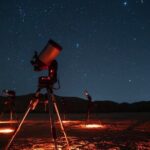
You settle into a zero-gravity style lounge (Yogibo loungers) with a blanket and binoculars, so you can actually relax while the constellations come into focus. Then the astronomer guides you through the sky with telescopes and laser pointers, so you are not just staring at darkness wondering what you are supposed to see.
One thing to plan around: this is a walk-to-your-viewing-spot experience with no transportation provided and no restroom on site. If you cannot stand for about 30 minutes, or if you need an easy ride both ways, you will want a backup plan before you book.
In This Review
- Key things that make this stargazing different
- Moab’s Dark Skies and the Quick Start That Makes You Feel Smart
- The Two-Hour Flow: From Solar System Walk to Telescope Time
- Zero-Gravity Comfort (and Why It Helps You Actually See)
- Telescopes and Laser Pointers: How You Track What Matters
- Hot Drinks, Small Groups, and the Vibe You Want at Night
- Price and Logistics: Getting Value From $200
- Who This Tour Fits (and Who Should Reconsider)
- Should You Book Stargazing in Moab?
- FAQ
- How long is the stargazing experience?
- What is included with the ticket?
- Is transportation included from hotels or nearby areas?
- Is there a restroom available during the tour?
- Where do we meet for the tour?
- Is the tour offered in English?
- Are service animals allowed?
- What if the weather is bad?
Key things that make this stargazing different
- Internationally certified dark skies in Moab, so the sky stays truly dark
- Zero-gravity pods (Yogibo loungers) with blankets and astro-binoculars for real comfort
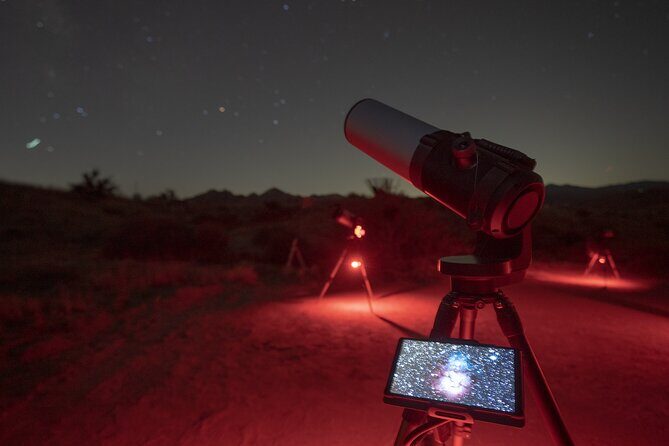
- Laser pointers plus telescopes so you can track what the guide is pointing out
- A structured two-hour program starting with a solar system scale-model walk
- Small group size (max 18) for better attention at the telescopes
- Hot beverage station to take the edge off the wait between views
Moab’s Dark Skies and the Quick Start That Makes You Feel Smart
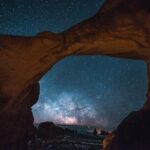
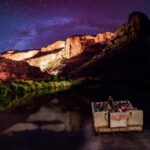
Moab’s night sky is the main event, and this tour is built around that. You are heading to an area known for internationally certified dark skies, meaning you are not fighting bright lights. That matters because stargazing is mostly about contrast: the darker the sky, the easier it is to see faint objects and make constellations meaningful.
The other smart move is the fast orientation at the start. You begin with a short walk through a scale model of the solar system as astronomical twilight begins to set. That sounds simple, but it helps your brain grab onto distances and motion. By the time the sky darkens, you have a framework for what you are looking at instead of guessing.
And yes, you will get guided. The guides use telescopes and laser pointers to show you where to look, so the night does not turn into a solo scavenger hunt.
Other sunset and stargazing tours we've reviewed in Moab


The Two-Hour Flow: From Solar System Walk to Telescope Time
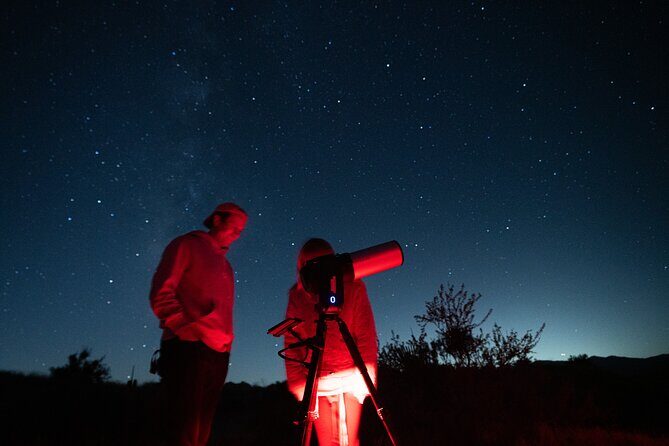
This is an approximately 2-hour program, and it keeps a steady rhythm. The format is clear: you start with orientation, then settle in, then shift into active looking.
First, there is that short scale-model solar system walk. As astronomical twilight sets, the sky starts changing fast. This is when the guide’s timing matters because your eyes are still adjusting. Getting your bearings early helps.
Then comes the viewing setup. You lounge in your own zero-gravity pod with a blanket and a pair of astro-binoculars. This is not just comfort theater. Binoculars are your bridge between what you can see with your naked eyes and what you can see through the telescopes. So you are not waiting in silence while everyone else has the fun.
Finally, you move through the sky with an astronomer-led program. Laser pointers help you follow along, and the tour includes up-close views of celestial objects like galaxies, nebulae, and clusters through powerful telescopes. The goal is to leave you with the feeling that you understood the sky, not just that you watched it.
Zero-Gravity Comfort (and Why It Helps You Actually See)
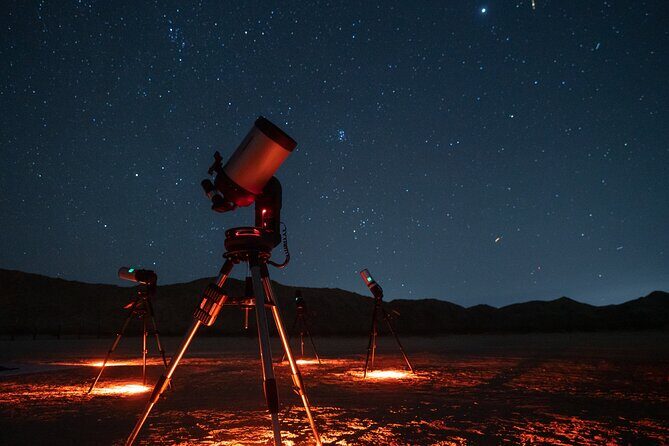
A lot of stargazing fails for one reason: people get tired. If you are standing rigidly or constantly shifting your position, you lose the patience you need for your eyes to adjust.
Here, you get your own lounging setup: Yogibo loungers in a zero-gravity style pod, plus a blanket. That means you can stay mostly still, which helps your view stay steady and your body stay comfortable while the guide cycles through different sky targets.
The binoculars are another underrated piece. Even if the telescopes are the star attraction, binoculars let you participate the whole time. You can follow along when the guide points out constellations, and you can start noticing patterns that you might otherwise miss.
One practical note: the tour is not positioned as fully seated-only. The experience includes a walk at the start, and the info says it is not recommended if you cannot stand for about 30 minutes. If you are usually okay on short walks and brief standing, you will likely be fine. If not, plan carefully.
Telescopes and Laser Pointers: How You Track What Matters
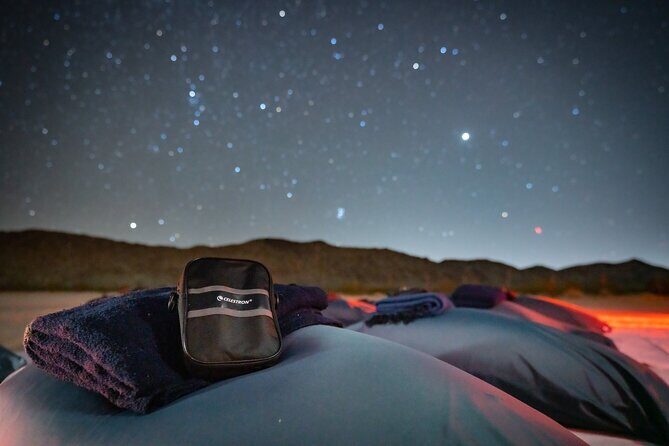
The best stargazing guides do two things: they point, and they explain just enough. This tour leans hard on that with laser pointers paired with a telescope program.
Laser pointers sound a little gimmicky until you use them with context. They give you a clean line of sight to what the guide wants you to see right now. That is especially helpful when you are learning constellations. Without guidance, a lot of people end up seeing random dots and calling it a night.
Then the telescopes take over. You get up-close views of galaxies, nebulae, and clusters. These are the targets that make dark-sky areas worth the trip. They are also the types of objects that look like fuzzy patches until you know what you are looking at, at which point they start to make sense.
In one case, the guide experience included using digital-style telescopes to show distant galaxies. The key takeaway for you is that you should expect more than just bright stars and big planets. The intent here is to get you viewing the deeper-sky objects that most people cannot easily find on their own.
If you care about astronomy stories, you are in the right place. One astronomer named Devon was described as entertaining and able to enhance the visit, so expect the guide to keep the energy up while you learn.
Hot Drinks, Small Groups, and the Vibe You Want at Night
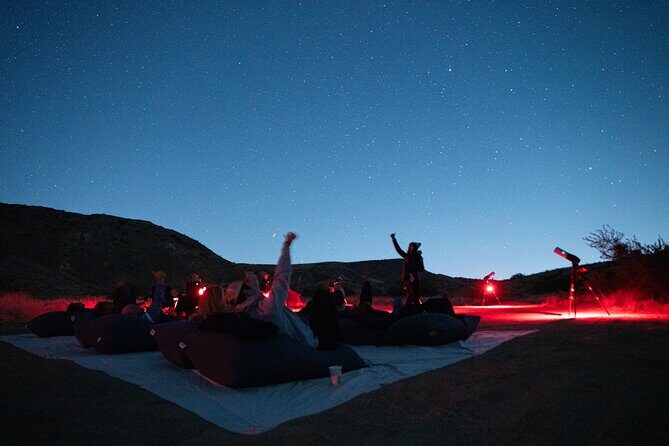
Two things make a night activity feel good: people stay calm, and the group is not too big.
You keep the vibe with a hot beverage station—choices include hot chocolate, coffee, and tea. That helps during the waiting moments between targets when you are adjusting to darkness and tracking the guide’s next step.
Group size is capped at 18 travelers, which is a big deal. More people often means longer lines at the telescopes and less time for one-on-one help. A smaller group makes it more realistic that the astronomer can guide you and still get everyone positioned comfortably in their pods.
Also, each guest lounges in their own setup. That reduces the common problem of crowding around the viewing area. You can settle in, keep your blanket around you, and focus on the sky as the guide switches between constellations and objects.


Price and Logistics: Getting Value From $200
Let’s talk money: $200 per person for about two hours. That is not a bargain-bin activity. You are paying for (1) access to Moab’s dark-sky environment, (2) the astronomer-led program, and (3) the equipment setup—telescopes, binoculars, and the comfortable lounging arrangement.
So the value question is simple: do you want guided viewing with proper gear, or do you want to DIY? If you are staying in Moab with no astronomy experience, the guided structure is worth real money. Trying to set up on your own in light-changing twilight, without knowing what to look for, is frustrating. Here, the tour handles the hard part: timing and pointing.
There is also timing value. On average, this experience is booked about 48 days in advance, which suggests it is popular. If you wait until the last minute, you can get stuck choosing a different date or missing your slot.
Logistics are the trade-off. The info is clear that transportation is not provided. And there is no restroom included. If you are doing this without a car, make a plan now for getting to the meeting point and back. If you depend on ride-shares, leave more slack than usual.
Who This Tour Fits (and Who Should Reconsider)
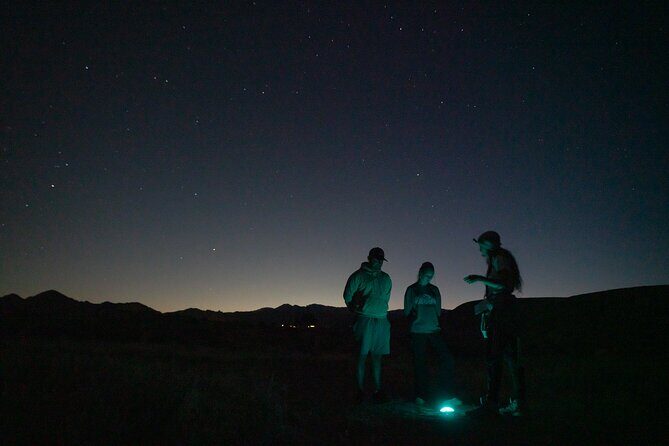
This tour is best for you if you want guided stargazing that actually teaches you how to look. If you like the idea of learning constellations, following along with laser pointers, and seeing deeper-sky objects like galaxies, nebulae, and clusters, you will likely enjoy it.
It also fits families and groups, since the program is designed for shared viewing and the comfort setup keeps people from melting down mid-skywatch. And because it caps at 18 travelers, it feels more like a workshop than a chaotic crowd.
It may be less ideal if you need easy infrastructure. Since restroom access is not included and transportation is not provided, you should treat this as a destination experience. Plan food and timing accordingly.
It can also be a concern if you have mobility limits. The tour notes it is not recommended for travelers who cannot stand for around 30 minutes. The start includes a walk, so you should be comfortable with that pacing.
Good news: service animals are allowed, and confirmation is provided at booking. The tour is offered in English and uses a mobile ticket.
Should You Book Stargazing in Moab?
I think you should book this if you want a guided, gear-supported night in Moab’s dark skies and you value comfort while you learn. The combination of zero-gravity lounging, blankets, binoculars, hot drinks, and telescope viewing is a rare mix that helps you stay focused instead of cold, stiff, or lost.
I would hesitate only if logistics are your biggest worry. With no transportation and no restroom included, you need to be ready for the basics and confident you can get yourself there and back smoothly. Also, if standing is hard for you for about 30 minutes, this is probably not the right fit.
If you can handle those practical points, this is the kind of two-hour experience that makes the night sky feel close—and that is the whole point.
FAQ
How long is the stargazing experience?
It lasts about 2 hours.
What is included with the ticket?
Hot beverages, telescopes, Yogibo loungers, an astronomer, astro-binoculars, and blankets are included.
Is transportation included from hotels or nearby areas?
No. Transportation is not provided.
Is there a restroom available during the tour?
No restroom is included.
Where do we meet for the tour?
The meeting point is listed at 8HFF+7V La Sal, UT, USA. The activity ends back at the meeting point.
Is the tour offered in English?
Yes, the tour is offered in English.
Are service animals allowed?
Yes, service animals are allowed.
What if the weather is bad?
The experience requires good weather. If it is canceled due to poor weather, you will be offered a different date or a full refund.