REVIEW · MOAB
Rappelling and Stand Up Paddleboarding Combo
Book on Viator →Operated by Paddle Moab · Bookable on Viator
Two red-rock thrills, one guided day. This Moab combo pairs Arches-area rappelling with a Colorado River SUP so you go from canyon walls to open water without planning anything yourself. I like how the trip is built for real beginners: you get full gear, clear instruction, and a guide who keeps the day moving. I also love that lunch is included, so you’re not scrambling for food between activities. One thing to consider: you’ll hike through desert terrain before and after the rappels, so you should have a moderate fitness level and be ready for sun and effort.
You’ll start with a guided canyoneering-style adventure through sandstone slots. Guides like Nate and Eric (seen on recent outings) focus on making first-timers comfortable and safe with the gear. After lunch, you shift gears to stand-up paddleboarding downriver with a guide nearby—usually the calmer, more relaxed part of the day, even if you’re new to SUP.
In This Review
- Key things I’d mark on your checklist
- Moab’s best kind of combo: red rock down, river on
- The morning canyoneering: hike, rappel, and a real beginner setup
- Why lunch matters more than you think (especially in canyons)
- Transition to the Colorado Riverway: from effort to glide
- The river views are the point: seeing Arches from water
- Guides and group size: why it feels controlled instead of chaotic
- Gear and what you need to bring (don’t show up empty-handed)
- Transportation and meeting point: make your morning easy
- Price and value: what $217 buys you in real terms
- Weather and fitness: the two filters you can’t ignore
- Who this combo is best for
- Should you book Paddle Moab’s Rappelling and SUP combo?
- FAQ
- What’s the duration of the Moab rappelling and SUP combo?
- How much does the tour cost?
- What time does the tour start and where is the meeting point?
- What activities are included?
- Is lunch included?
- What should I bring?
- What fitness level do I need?
- Is the tour weather dependent?
- One last decision helper
Key things I’d mark on your checklist
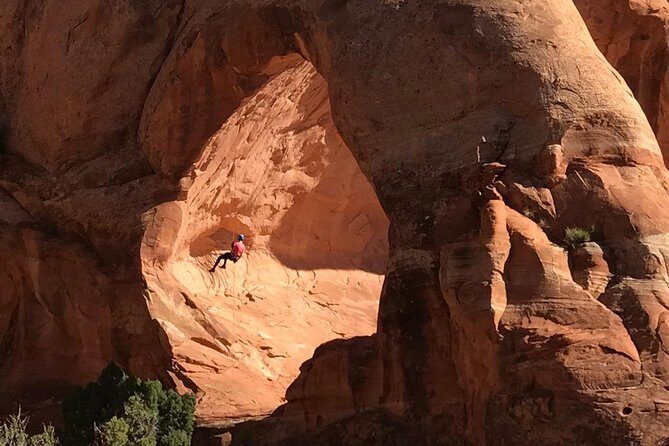
- Rappel off sandstone formations near Arches National Park with equipment handled for you
- Small group cap of 6 keeps attention personal, especially on the rappels
- Lunch included so your day doesn’t fracture into food logistics
- Colorado River SUP under guide safety for a slower, scenic pace
- Plan for a hike around 3.5 miles total through desert terrain
Moab’s best kind of combo: red rock down, river on
Moab is the rare place where your view changes every hour. This tour uses that idea well: you do the adrenaline work first, then it turns scenic and floaty on the Colorado. That ordering matters. Early in the day you’re still fresh for gear, knots, and the short mental focus you need for rappelling. Later, on the river, you can slow down and just enjoy canyon walls sliding past your paddle blade.
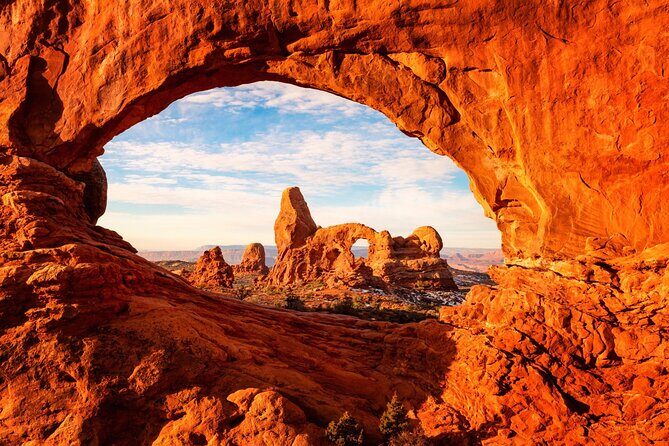
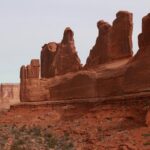
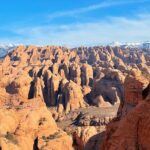
It also helps that the Colorado River area you paddle is tied to Moab’s big-name geography. The route runs along the canyon country near Arches National Park, so you get those red-rock icons from the water side too, not just from overlooks.
Other canyoneering and rappelling tours we've reviewed in Moab
The morning canyoneering: hike, rappel, and a real beginner setup
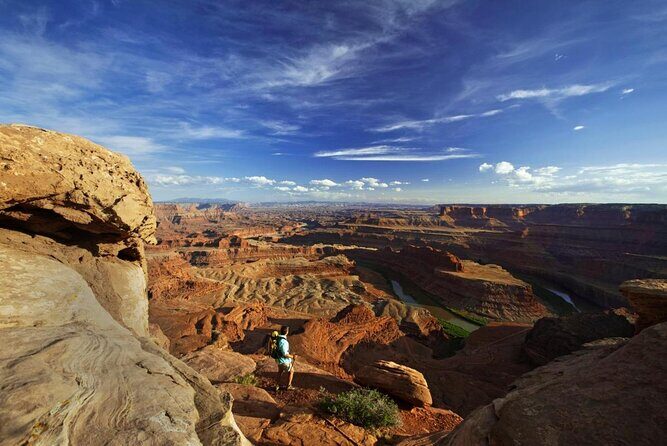
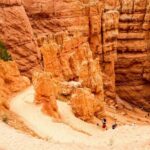
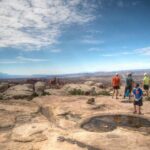
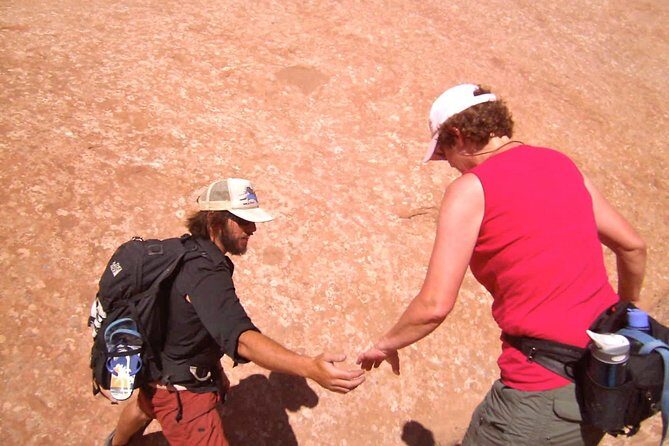
The day begins with a guided canyoneering tour through Moab’s sandstone canyons. You’re hiking about 3.5 miles on winding desert terrain, and that’s the part beginners sometimes underestimate. It’s not a technical hike, but it is real desert walking: sun, uneven footing, and a bit of stamina. If you can handle a moderate hike, you’re in the right zone.
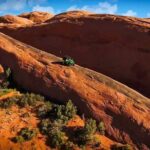
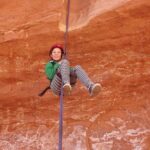
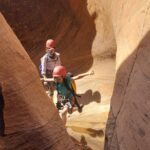
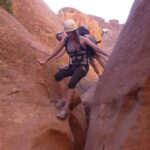
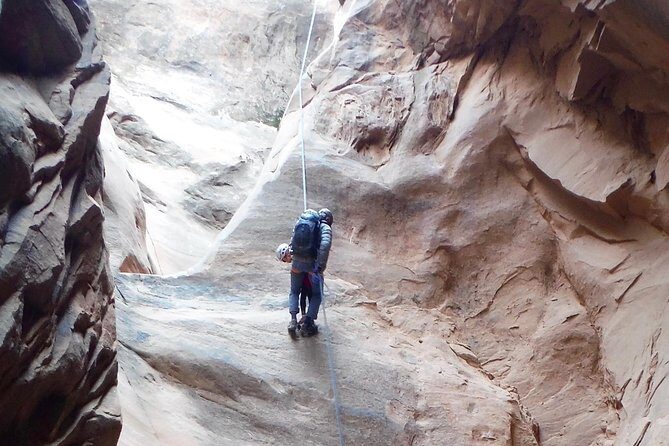
Then comes the highlight: you rappel next to a natural arch in the Arches region, using all the rappelling equipment included. This is a key value point. Many active tours make you figure out gear or show up to a basic intro. Here, you’re set up with the gear you need and instructed so you can focus on the movement and safety cues, not on your own DIY problem-solving.
What I like about this kind of “sport introduction” rappel is that it’s short enough to feel achievable, yet dramatic enough that the effort pays off. One recent group called out feeling safe on their first rappel, and that’s exactly what you want if you’re new: confidence comes from doing it with a system, not from luck.
What to watch for: you’re in the sun and you do hike segments before and after the rappels. Bring a backpack or a way to carry water because you’ll want a simple setup for hydration. Even when water is provided during the tour, having your own bottle on you helps you manage your pace.
Why lunch matters more than you think (especially in canyons)
This isn’t a “we’ll grab something later” situation. Lunch is provided, and it’s timed to give you a reset before the river portion. That break is more than calories. It’s a chance to cool down a little, rehydrate, and let your muscles recover from the hike and the rappel effort.
From recent experiences, the meal is the kind that actually works mid-adventure: sandwiches with meat and veggies, plus sides like chips and cookies. I like that vibe because it keeps you fueled without making you work for it. You’re not stuck figuring out a restaurant schedule while everyone else is busy drying gear or heading to a river staging area.
A practical tip: treat lunch as part of your pacing strategy. If you eat a little slower and drink steadily, your paddle session later will feel smoother.
Transition to the Colorado Riverway: from effort to glide
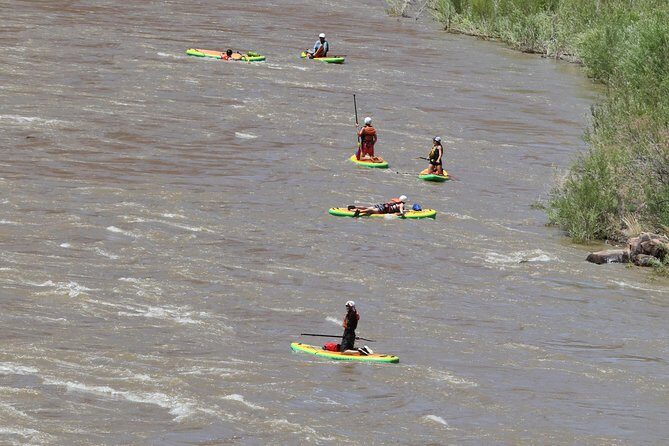
After the morning canyon work and lunch, you shift to the Colorado Riverway Recreation Area and paddle from there. The tour includes transportation to and from the canyon and river segments, which is huge in a day like this. You get a full itinerary without the headache of parking, shuttling, and timing.
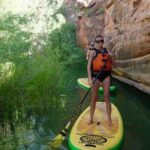
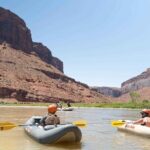
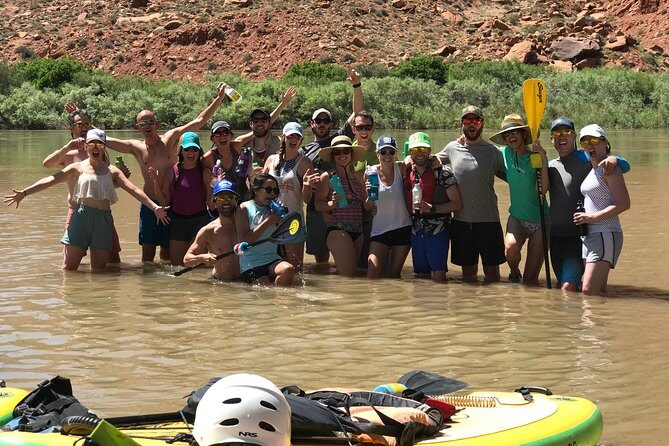
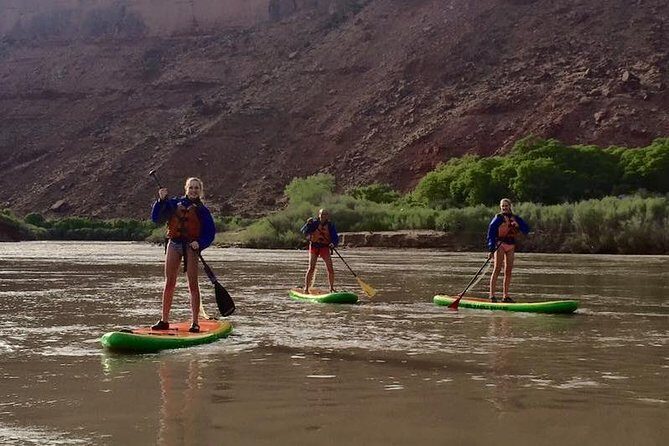
At this point the mood changes. Stand-up paddleboarding down the Colorado Plateau canyon country is generally peaceful and awe-inspiring. You’re still doing an active sport, but it’s more about balance, posture, and slow turns than short bursts of effort.
You also get guide support during the SUP. That matters, especially if you’re new to paddleboarding. One guide on a recent outing (Nate) gave helpful tips even for someone who already had SUP experience, which tells me the instruction style is layered: beginners get the fundamentals, experienced paddlers get small coaching tweaks.
And if you’ve heard SUP is always gentle, you’re partly right and partly wrong. One group noted the option for white-water SUP, which adds fun if conditions and the route allow it. Translation: you might get a calmer glide, or you might catch some punchier water movement. Either way, a guide nearby keeps it manageable.
The river views are the point: seeing Arches from water
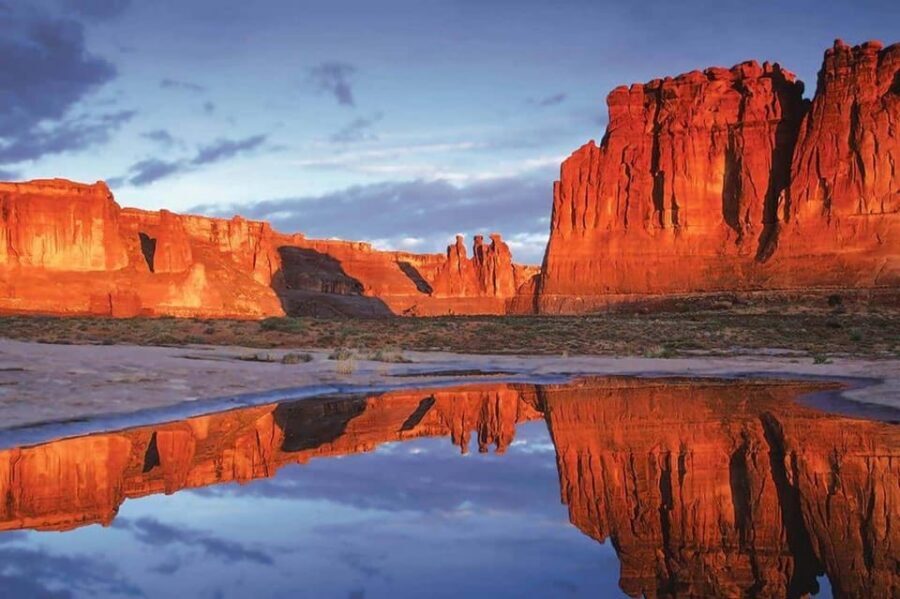
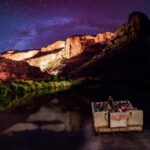
This is where Moab gets cinematic. The Colorado River corridor runs adjacent to Arches National Park, so canyon walls, rock formations, and big red textures stay in your line of sight for most of the paddle. Standing on the board and scanning the rock shapes is a different kind of seeing than driving past them.
I like that the tour doesn’t try to rush this moment. You’re out there under supervision, so you can look up, relax your shoulders, and enjoy the scenery rather than worrying about what you’re doing with your board every second.
Other stand-up paddleboarding tours we've reviewed in Moab
Guides and group size: why it feels controlled instead of chaotic
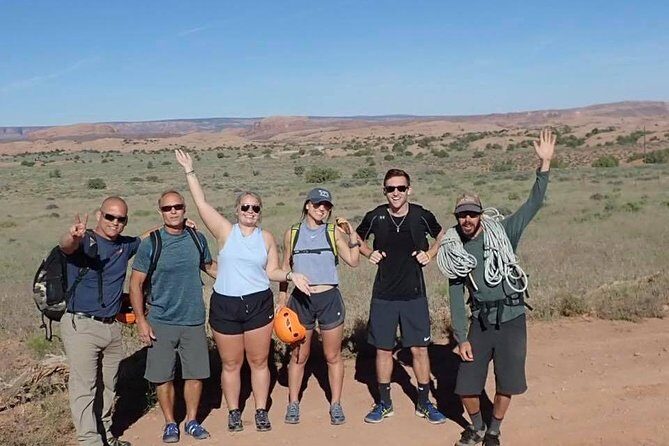
Group size is capped at 6 travelers, and that changes the whole feel. It’s small enough that instruction can be more direct. It’s also small enough that safety checks and gear distribution don’t turn into a logistical bottleneck.
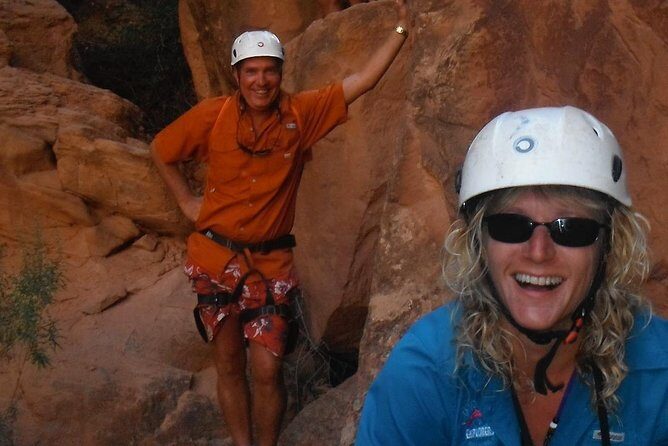
The guides also seem to bring energy. Multiple recent experiences mention enthusiastic, friendly guidance. Names that came up include Nate, Eric, and Landon, and the common theme was keeping the experience engaging while still making safety the priority. You can see why this matters on a rappel: the person above you isn’t just monitoring; they’re teaching you how to do it smoothly.
On top of that, the day runs with efficient coordination behind the scenes. One group described multiple staff roles handled in a smooth rhythm, including Santo driving during one transfer and Christian delivering a transport vehicle to the pickup location. The big takeaway for you: the tour is set up so you’re not standing around waiting for someone to find the next step.
Gear and what you need to bring (don’t show up empty-handed)
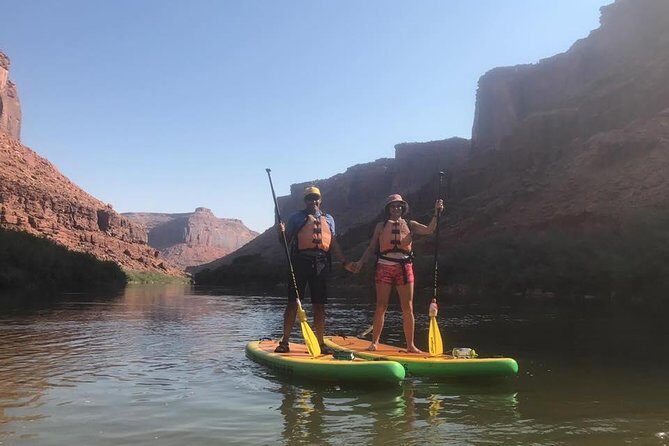
All equipment needed for canyoneering and stand-up paddleboarding is included. That’s a relief because it removes one of the biggest barriers to doing outdoor adventures in Moab.
But you should show up with two basics:
- A personal water bottle (you’ll want your own bottle for the hikes and day-long hydration)
- A backpack or carry method for the water you bring
A few other practical items you might consider (based on what the tour structure demands): sun protection, a light layer if temperatures swing, and footwear that can handle desert terrain and water contact. The tour day is built around hiking and then being near water, so comfort wins.
One more note: the tour is offered in English, and it uses a mobile ticket. Simple stuff, but it helps you avoid last-minute confusion.
Transportation and meeting point: make your morning easy
You start at 44 W 200 N, Moab, UT 84532, and the tour starts at 8:00 am. It ends back at the meeting point, so you’re not left figuring out how to get home after the river.
Transportation is included for getting to and from the canyon and river areas. What’s not included is transportation to and from the Paddle Moab shop. That means you should plan your arrival so you can handle that specific hop, even though most of the in-tour driving is covered.
This matters because a 6-hour active day already has a tight clock. When transportation is handled for you, you can focus on getting ready, not on navigating.
Price and value: what $217 buys you in real terms
At $217 per person for about 6 hours, you’re paying for more than just the activities. You’re paying for:
- Licensed guiding through technical-feeling work like rappelling
- Equipment for both land canyon work and time on the river
- Lunch, which removes a major mid-day cost and stress
- Included transportation between the canyon and river segments
Where this price feels fair is that the day is “stacked.” You’re not buying two separate half-plans that require separate bookings, separate gear decisions, and separate timing. Instead, you get a single guided flow: hike, rappel, lunch, then paddle.
Is it expensive compared to a casual sightseeing day? Yes. But it’s also not a basic experience. You’re doing real adventure sports in a place where the views cost extra if you do them on your own. If you want one day that mixes adrenaline with a scenic payoff—and you don’t want to manage logistics—this is the kind of value that makes sense.
Weather and fitness: the two filters you can’t ignore
This tour requires good weather. If conditions aren’t right, you’ll be offered a different date or a full refund. That’s exactly what you want with activities like rappelling and river time, where safety comes first.
Fitness-wise, the requirement is moderate physical fitness. The distance you’ll hike (around 3.5 miles total) plus the desert terrain means you should be comfortable with walking, steady effort, and basic endurance. If you can handle a typical active day with some uphill or uneven ground, you’re likely a match.
Also remember: you don’t need to be an athlete, but you do need to be willing to put in effort. This isn’t a sit-and-watch tour.
Who this combo is best for
This is a great fit if:
- You want a beginner-friendly way to try rappelling and canyon adventure
- You’re chasing Moab views but prefer action over just driving to overlooks
- You want SUP time that’s guided and structured
- You like small groups and clear instructions (max 6)
It may not be the best fit if you avoid hiking, hate being in full sun for long stretches, or you want a totally relaxed day with no effort required.
Should you book Paddle Moab’s Rappelling and SUP combo?
If you want one Moab day that hits both adrenaline and scenery, I’d book it. The strongest reason is the structure: a guided rappel experience with included equipment and safety coaching, then an easy-to-enjoy river paddle with guide support and lunch waiting in the middle. Add the small-group cap, and it feels controlled enough for first-timers without turning into a slow, watered-down version of the adventure.
My practical advice: show up with a personal water bottle, wear gear-ready clothes, and be mentally ready for desert hiking. If those are in place, this is the kind of day you’ll remember for the way you saw Moab—from canyon walls and arches above, to the Colorado River under your paddle.
FAQ
What’s the duration of the Moab rappelling and SUP combo?
It runs about 6 hours.
How much does the tour cost?
The price is $217.00 per person.
What time does the tour start and where is the meeting point?
It starts at 8:00 am at 44 W 200 N, Moab, UT 84532, USA. It ends back at the meeting point.
What activities are included?
You’ll do guided canyoneering with rappelling near a natural arch and then stand-up paddleboarding on the Colorado River.
Is lunch included?
Yes. Lunch is included, and you’ll have water provided during the tour.
What should I bring?
Bring a personal water bottle. It also helps to have a backpack or a way to carry that water during the hikes.
What fitness level do I need?
A moderate physical fitness level is recommended because you’ll hike through desert terrain (about 3.5 miles total).
Is the tour weather dependent?
Yes. The tour requires good weather. If it’s canceled due to poor weather, you’ll be offered a different date or a full refund.
One last decision helper
Book it if your idea of a good day in Moab is: hike a bit, rappel once, eat well, then paddle with views. Skip it if you want zero hiking or you’re hoping for a completely laid-back, no-effort experience.