REVIEW · MOAB
Moab: Mountain Bike Half Day Tour
Book on GetYourGuide →Operated by Rim Mountain Bike Tours · Bookable on GetYourGuide
Moab on a bike is a great way to learn fast. This half-day tour mixes intro mountain-biking skills with classic Slickrock and deep red-rock canyon scenery, plus big views of Arches National Park from across the way. I really like how they pace the ride for new trail riders and build confidence with hands-on practice at the trailhead. The one thing to think about: you’ll need a bit of real biking ability (hand brakes and shifting), and you should bring extra water because you’re asked to carry it yourself.
Logistically, it’s also pretty easy. You meet at the Chile Pepper Bike Shop parking lot, then the guide team shows up with the bikes and a van shuttle to the trailhead (or you can follow in your own vehicle). The actual riding clocks in around 7–10 miles in about 4 hours total, so you get a meaningful session without turning your day into a marathon.
The coaching is the secret sauce. A guide named Patrick is specifically noted for constantly checking skill levels and adjusting the route, starting riders on greens and blues and then stepping up through harder sections when you’re ready. I also like that the guides work in geology, flora, fauna, and Moab history during regroup stops, so the ride feels like more than just training legs.
In This Review
- Key things I’d circle on your Moab checklist
- Arches National Park views from across the canyon, on two wheels
- Getting to the trailhead: Chile Pepper Bike Shop makes it painless
- The first step is bike-fit and technique practice (not just a start-and-go)
- 7 to 10 miles of Moab riding: Slickrock, canyon sections, and regroup breaks
- How the guides actually make it beginner-friendly: patience and pacing
- What to pack: bikes, helmet, snacks are handled; water is on you
- How hard is this, really? The skills requirement is the real threshold
- Price and value: $155 for coaching, equipment, and the trail connection
- Who this Moab half-day ride fits best
- Should you book it? My practical take
- FAQ
- Where is the meeting point for the Moab mountain bike half-day tour?
- What time does the tour start?
- How long is the ride?
- What’s included in the price?
- Do I need to bring water?
- Are drones allowed on this tour?
Key things I’d circle on your Moab checklist
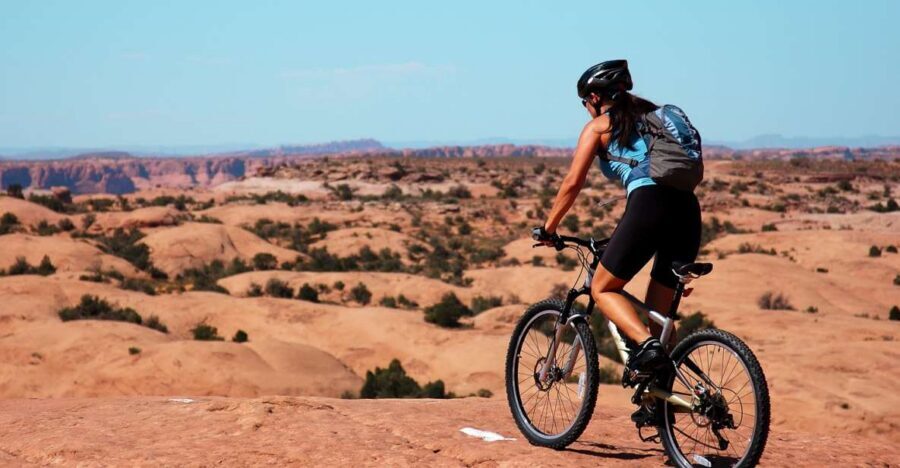
- Full-suspension bikes + helmet included, so you can show up and ride without bike-rental stress
- Small group limit (13 participants), which helps you get clearer instruction and more attention when you need it
- 7–10 miles of riding time, usually just enough challenge to feel accomplished in half a day
- Slickrock and canyon views with Arches in sight, so you’re not biking in a tunnel of dirt
- Skill-based route options, with possibilities for shorter, longer, or more challenging terrain
- A guide who teaches while you rest, adding geology, plants, animals, and local history at regroup points
Arches National Park views from across the canyon, on two wheels
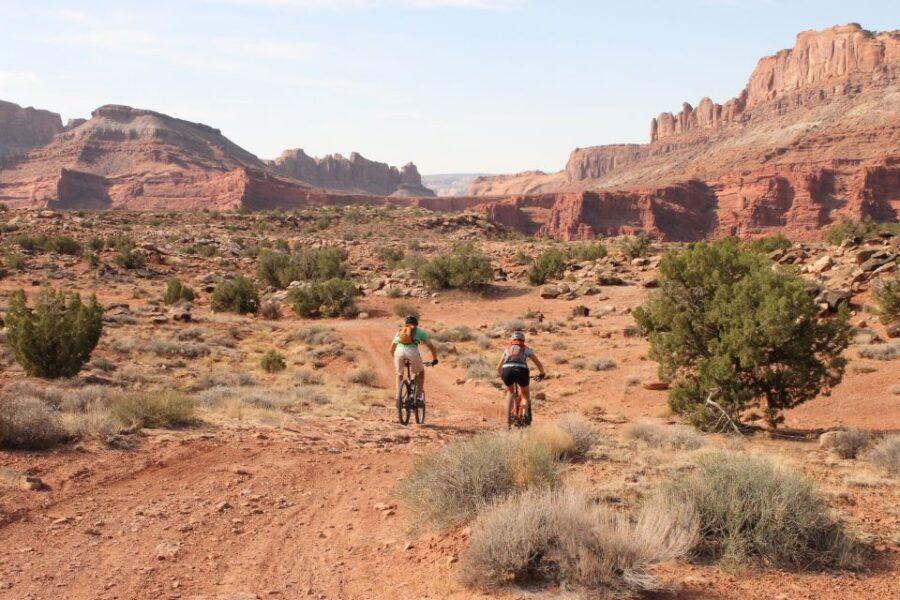
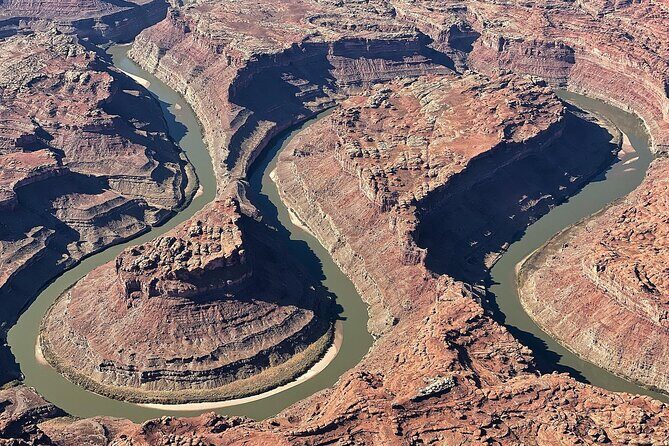
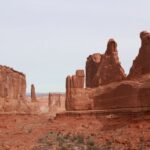
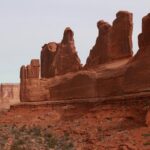
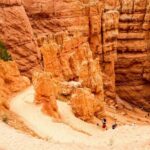
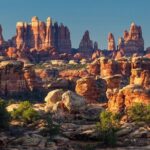
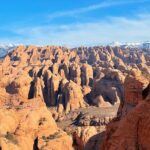
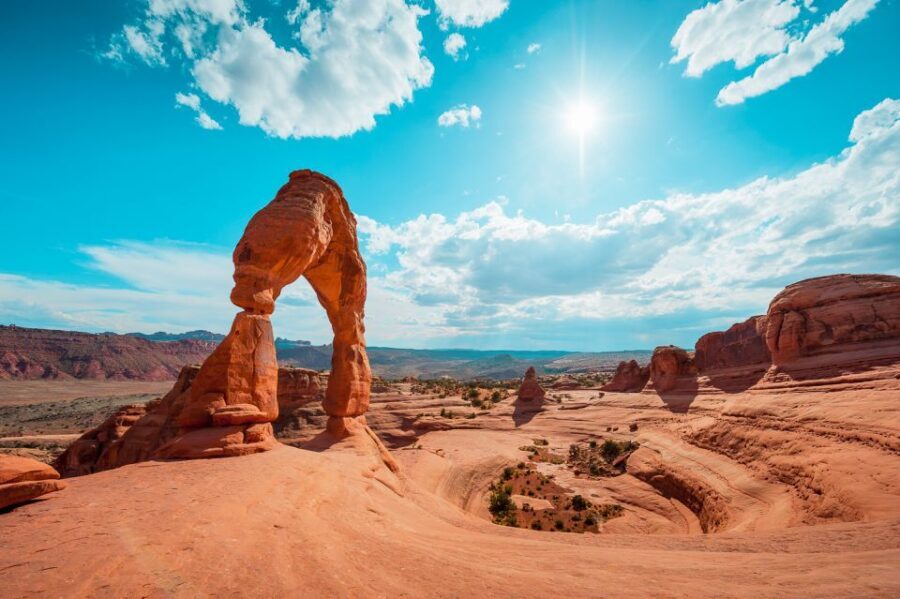
What makes this ride feel different is the perspective. From your seat, Moab’s red rock isn’t just scenery in the background. You see big formations with Arches National Park visible from across the canyon, then you roll along routes that put you right on the edge of that scenery.
The guides don’t treat the ride like a pure skills class, either. You stop and regroup, then you get short, practical context about what you’re riding through—things like geology and what lives in the area (flora and fauna). It turns your morning from a checklist of “ride, pedal, repeat” into an explanation of why the landscape looks the way it does.
Other mountain biking tours we've reviewed in Moab
Getting to the trailhead: Chile Pepper Bike Shop makes it painless
This is one of those tours where logistics don’t eat your energy. You meet in the parking lot at the Chile Pepper Bike Shop. You do not need to check in inside the shop. The guides arrive with a van and the bikes, then they transport you to the trailhead outside town.
Timing is designed for morning riding. Meeting times vary by month but fall between 7:10 AM and 10:10 AM, and the tour is usually offered in the morning. That matters in Moab, because you’ll feel the sun on you quickly if you start too late.
You also have flexibility. If you’d rather drive yourself, you can follow the van to the trailhead. That’s handy if you’re staying a bit farther out, or if you just like controlling your schedule.
The first step is bike-fit and technique practice (not just a start-and-go)
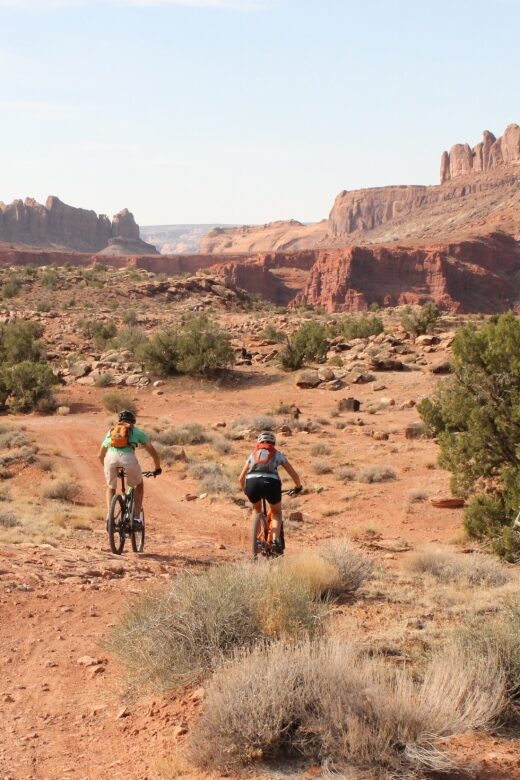
Before you launch into Moab trails, you get fitted for your bike and spend time learning the basics. This is a big deal for first-timers and families, because it prevents a common problem: people arrive excited, then spend the first half of the ride struggling with the bike instead of learning how to ride it.
You’ll get an introduction to the bikes and basic mountain bike skills, with time to practice right at the trailhead. The tour expects you to be able to ride a bike and handle the fundamentals—use hand brakes and shift gears. That doesn’t mean you need to be a pro racer, but it does mean you should be comfortable moving under control.
Also, the bikes here are high quality full suspension mountain bikes, which helps a lot on rockier terrain. Suspension doesn’t make you invincible, but it does reduce the shock and fatigue that can wear out new riders fast.
7 to 10 miles of Moab riding: Slickrock, canyon sections, and regroup breaks
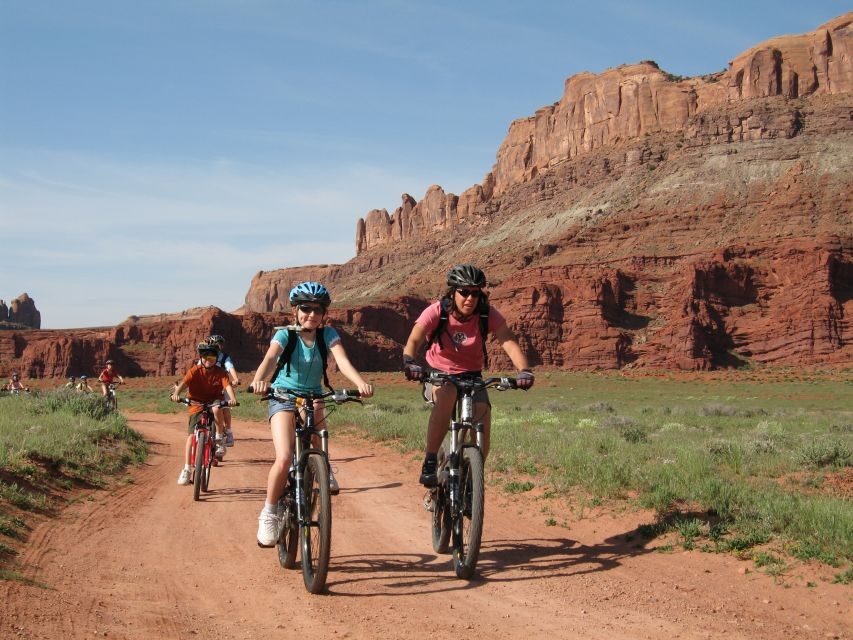
The ride itself is typically 7–10 miles during the half-day session. That range is intentional. It’s long enough to feel like you did something real, but short enough that the guide can coach and regroup without rushing.
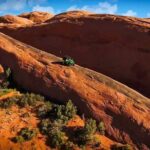
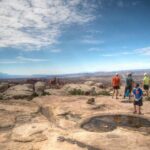
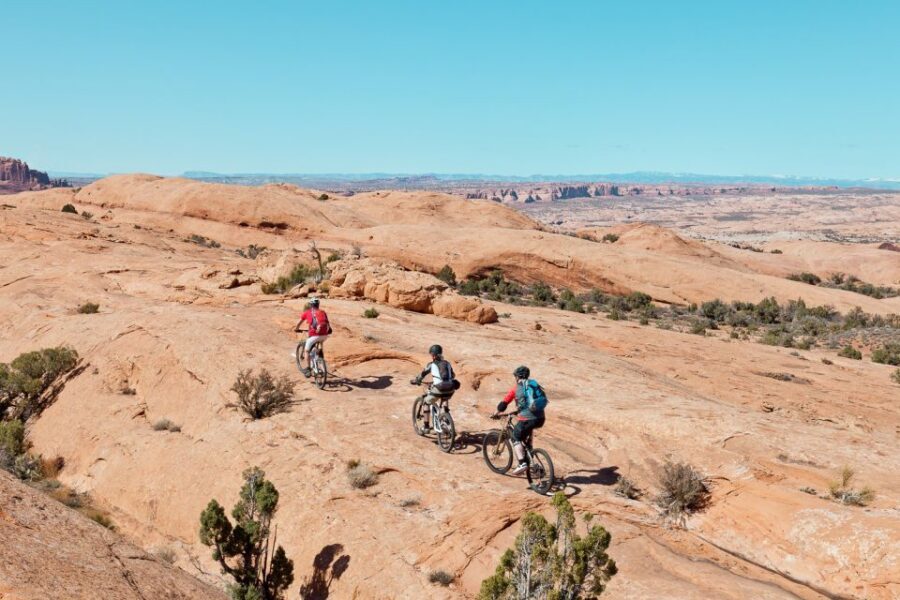
You can expect sections that include Slickrock. Slickrock is famous for a reason: it’s that smooth, grippy rock that still feels weird the first time you ride it. Your guide will likely use the route and stops to help you understand how to move over rock without panicking. You’ll also ride through deeper rock canyon sections, which adds variety and keeps your attention on more than one kind of terrain.
One useful detail: there are options to match your stamina and comfort. You can get a shorter or longer distance, and the terrain can scale up or down based on your skill level. That’s especially helpful if you’re riding with kids or if one person in the group is a bigger beginner than the rest.
You’ll also pause for regroup points. Those stops matter because they let you reset, ask questions, and get quick guidance before the trail gets more demanding.
How the guides actually make it beginner-friendly: patience and pacing
A mountain bike tour can either teach you, or just throw you on a trail. This one leans toward teaching. The guides use skill checks and coaching so the ride stays doable for new trail riders and families.
Patrick is one of the guides highlighted for exactly that approach. In at least one case, he tailored the ride to a younger rider’s skill set, building up from easier green and blue trails to harder reds, and even including black sections that were challenging but not out of reach. The key takeaway is the pattern: easier first, then progression as you demonstrate control.
You’ll also get extra attention with adjustments if needed. People note that instructions come with ample time for bike setup and adjustments at the start. That prevents the classic “my seat is wrong” problem from turning into a painful ride.
And since the guides share what you’re seeing—geology, flora, fauna, and local history—the trip feels more meaningful even if you’re not chasing maximum difficulty.
Other cycling tours in Moab
What to pack: bikes, helmet, snacks are handled; water is on you
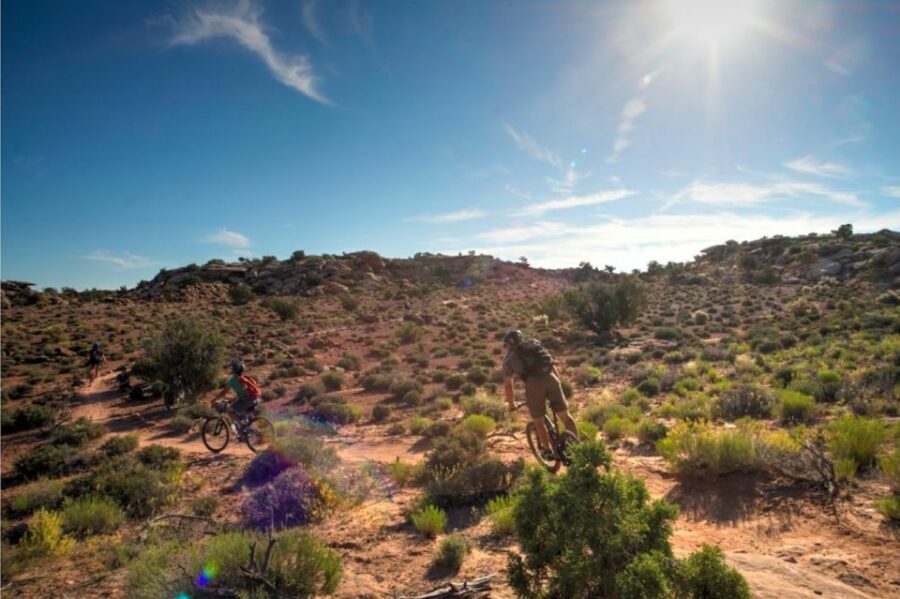
The good news: a lot is included. You get:
- A professional guide
- Van shuttle from the meeting point
- A full suspension mountain bike
- Helmet
- Snacks
- Land use fees and taxes
The one thing you’re expected to bring is water. The tour doesn’t provide water, and the guidance is to bring and carry your own. It’s recommended to bring additional water in a small pack or hydration pack. On a hot Moab morning, that simple step can make the difference between feeling strong and feeling drained.
There’s also a small but specific item you might not expect: you should bring a face mask or protective covering. That’s listed as what to bring, so plan on having one with you.
And if you’re thinking about filming: drones are not allowed.
How hard is this, really? The skills requirement is the real threshold
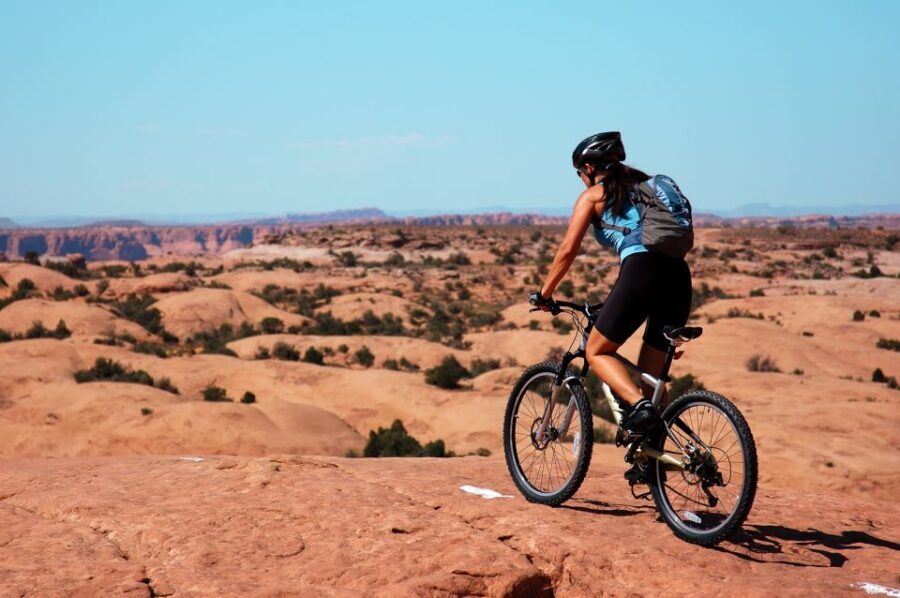
The tour is described as a classic Moab ride that works for adults and families who are new to trail riding. But don’t treat it like a casual spin. The expectation is that you can:
- ride a bike
- use hand brakes
- shift gears
So the “beginner” label here is about trail riding, not about learning to ride from scratch.
In terms of fitness, 7–10 miles on mixed Moab terrain can feel more intense than you’d guess, especially with rock sections. Several riders mention the distance as just enough challenge to keep them engaged and test fitness. That’s a fair expectation. You’ll likely want to feel comfortable doing moderate cycling for the duration.
If you’re new to mountain bikes but already pedal confidently on regular bikes, you’re probably a great match. If you’re brand-new to shifting and braking, you might struggle more than the tour format can absorb.
Price and value: $155 for coaching, equipment, and the trail connection
At $155 per person for about 4 hours, the value comes from what’s bundled. You’re paying for more than a leader and a trail. You’re also getting the bike (full suspension), helmet, guide time, shuttle transport to the trailhead, snacks, and land use fees and taxes.
That matters because if you were doing it on your own, you’d likely pay separately for bike rental, helmet, a guide, and transportation into trail areas. Here, those pieces are handled as one package, which makes your time easier to spend on the ride itself.
Is $155 cheap? Not really. But for a structured half-day with coaching and included equipment, it’s a solid deal in Moab terms—especially when you’re trying to get real trail confidence fast.
Who this Moab half-day ride fits best
This is a good choice if you:
- want an introduction to mountain biking in Moab without committing to a full day
- care more about learning trail skills than riding the hardest line
- like scenery with real explanation (geology, plants, animals, local history)
- are bringing a family member who can handle a bike but needs route support
It’s also a great option if you want those Arches National Park viewpoints as part of your biking morning rather than driving and parking for yet another viewpoint.
You might want to skip this if:
- you cannot shift gears or use hand brakes
- you don’t have decent bike control and you’re hoping the guide will teach those skills from zero
- you want a long, deep outing with lots of technical progression beyond the intro format
Should you book it? My practical take
If you’re in Moab and you want a structured, confidence-building bike ride with real coaching and some of the most iconic scenery nearby, I think this is a strong yes. The half-day length is a sweet spot. It’s enough time to learn how to ride smarter on rock, see Arches from the trail, and still keep the rest of your day open.
Book it if your goal is to feel comfortable on your bike by the end, not just to check Moab off your list. And if you’re new to trail bikes, choose it with the mindset of learning: bring your water, wear your protective covering, and be ready for hands-on guidance at the start.
FAQ
Where is the meeting point for the Moab mountain bike half-day tour?
You meet in the parking lot at the Chile Pepper Bike Shop. There is no need to check in at the bike shop, since the guides bring the bikes and transport you to the trailhead.
What time does the tour start?
Meeting times vary by the month, but they are all between 7:10 AM and 10:10 AM. The tour is usually available in the morning.
How long is the ride?
The tour lasts 4 hours, and the riding portion is typically about 7–10 miles, with options for shorter or longer distances depending on skill and stamina.
What’s included in the price?
The tour includes a professional guide, van shuttle from the meeting point, a high quality full suspension mountain bike, helmet, snacks, land use fees, and taxes.
Do I need to bring water?
Yes. Guests need to bring and carry their own water. It’s recommended to bring additional water in a small pack or hydration pack.
Are drones allowed on this tour?
No, drones are not allowed.