REVIEW · MOAB
Moab Canyoneering and Packrafting Combo
Book on Viator →Operated by Desert Highlights · Bookable on Viator
Two sports, one wild Moab morning. This private canyoneering and packrafting combo turns desert hiking into real rope work, then swaps gear for an inflatable float on the Colorado River. I like that the tour is private (so the pace and route can fit your group), and I also love how the packraft feels like its own thing, not just another paddling day. One consideration: it starts early at 7:00 am and it’s weather-dependent, so plan your day around an active 6–8 hour outing and bring what you need.
Here’s what makes it work so well: you’re not just dropped into the fun. A guide at Desert Highlights outfits you with everything for the rappels, teaches you how to descend safely, and adds context about the desert ecosystem as you go. In one of the guide shout-outs, Kai stands out for calming nerves and helping you push past the scary parts without the panic.
If you’re thinking this is a choose-your-own-adventure day, you’re right. After two rappels and a hike out, you’ll head along the Colorado River, get briefed on safety, and then pick a put-in that matches your group’s goals. The only thing you must handle yourself: lunch is not included, so plan food and hydration for a full morning and afternoon.
In This Review
- Key things to know before you go
- Two sports in one day: why this Moab combo is worth it
- Your 7:00 am start at Desert Highlights (and why it’s good)
- Gear and instruction: what you get before you ever rappel
- Desert canyoneering: ancient dunes, two rappels, and crevices
- The ecosystem talk: why it adds value beyond the adrenaline
- Transition to the Colorado River: lunch time and safety briefing
- Packrafting on the Colorado: thrills, control, and choosing your water
- Price and value: what $365 actually covers
- Who this tour suits best (and who should pause)
- What to bring for a smooth day on land and water
- Quick practical tips that make a difference
- Should you book this Moab canyoneering and packrafting combo?
- FAQ
- How long is the Moab canyoneering and packrafting combo?
- Where do I meet, and does the tour offer hotel pick-up?
- Is this a private tour or shared experience?
- What gear is included for canyoneering and packrafting?
- What food and water should I bring?
- What happens if weather is poor?
Key things to know before you go
- Private tour means personalized attention and a route that can match your group’s ability and goals.
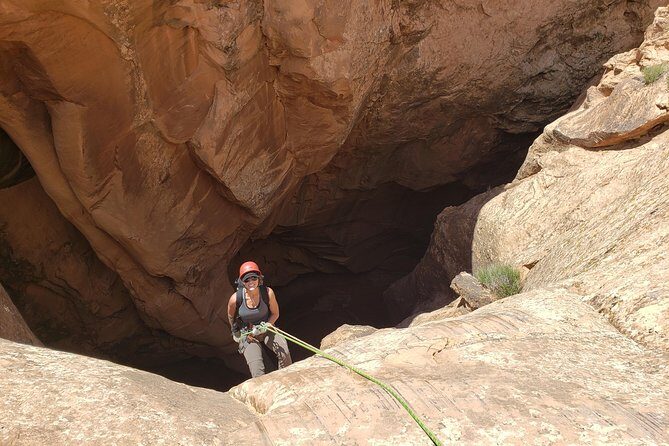
- Rappel skills are taught on the job, with experienced guidance focused on safety first.
- You get your own Alpacka packraft, paddle, and PFD, not a generic setup.
- You choose the river vibe: rapids or a more scenic flat-water float, based on your group.
- A desert-hike-to-the-ropes flow keeps the day from feeling like one long, technical grind.
- Bring lunch and water since you’ll be out active for about 6–8 hours.
Two sports in one day: why this Moab combo is worth it
Moab can turn into a blur of short tours that all feel similar. This one breaks the pattern. You start in the desert with canyon exploration that includes rappels and tight terrain, then you shift gears and float the Colorado River in an inflatable packraft.
That rhythm matters. Canyoneering is physical and mentally sharp. Once you get through the rope-work portion and hike out, the river time becomes a reward instead of another test. And because it’s private, you’re not stuck doing the same version of the day as someone else’s group with different comfort levels.
Pricing is also easier to justify when multiple expensive parts are already included. At $365 per person for about 7 hours, you’re getting guided canyoneering gear, instruction, transportation, and a personal Alpacka packraft setup. Most add-on tours either charge you for gear and rentals or limit you to one segment. Here, you’re buying one cohesive day with two different skills.
Other canyoneering and rappelling tours we've reviewed in Moab
Your 7:00 am start at Desert Highlights (and why it’s good)
The meeting point is Desert Highlights at 16 S 100 E in Moab, with a 7:00 am start. There’s hotel pick-up available upon request, which is a big deal if you’d rather not coordinate parking or early logistics.
Starting early helps for two reasons. First, you beat the busiest part of the day in Moab, so the drive and canyon transitions feel smoother. Second, weather matters for this kind of activity, and early timing gives the operator a better chance to work with conditions if anything shifts.
The tour runs about 7 hours, and while that’s an estimate, you should treat it as a full outing. You’re hiking, doing rappels, eating on your schedule, then paddling or floating. You’ll feel better if you show up ready to move.
Gear and instruction: what you get before you ever rappel
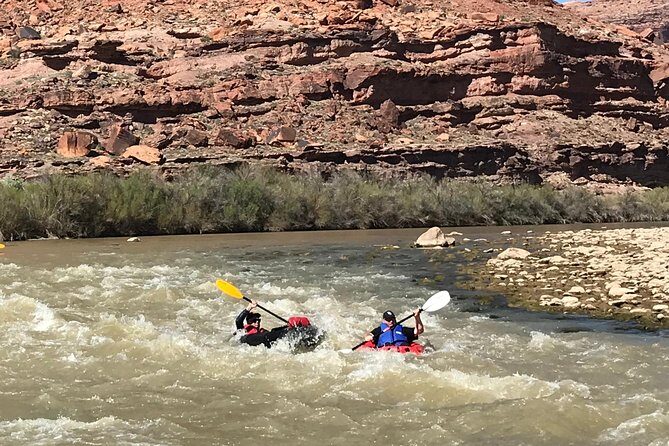
One of the best parts of this day is that the hard stuff is handled for you up front. At Desert Highlights in the morning, your guide outfits you with all necessary canyoneering gear and teaches you the steps to descend safely.
This is the difference between a thrill you control and a thrill you survive. With experienced guides, you learn how to manage the technical portion rather than just watching someone else do it. The tour also includes instruction that focuses on safety and basic technique, plus you get the chance to ask questions before committing to the canyon.
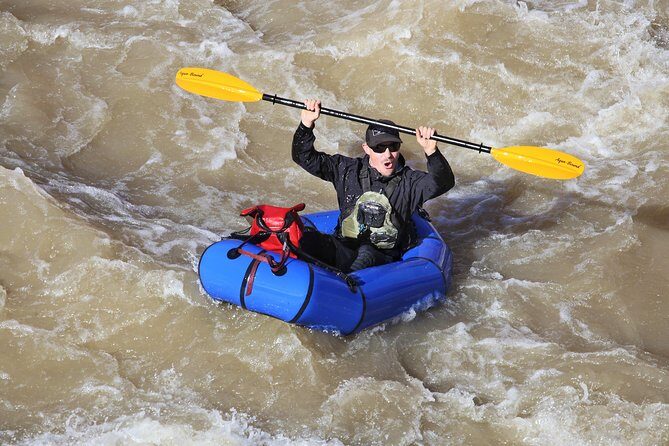
Then comes the river portion. You’re not borrowing a boat and figuring out the basics on the fly. You get a personal Alpacka packraft along with a paddle and a PFD. That’s important because the packraft experience is its own skill set. One review nails the feeling: pack rafting is not like kayaking. It’s more hands-on, more responsive, and you’ll move through the water in a way that feels different right away.
Desert canyoneering: ancient dunes, two rappels, and crevices
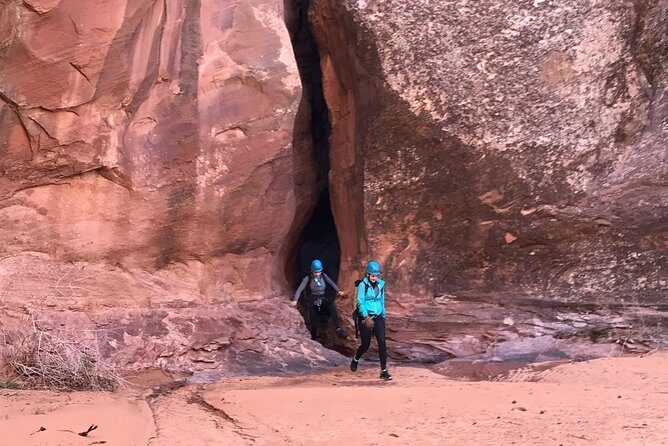
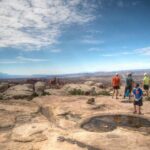
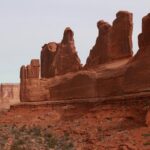
Your day begins with a drive to the canyon start, then a hike across ancient sand dunes. That walk is more than just getting to the rappel spot. It’s your warm-up and your orientation—time to watch how the desert changes with the light and notice how your guide reads the terrain.
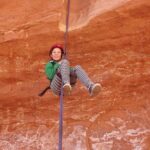
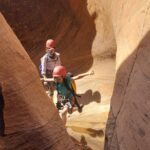
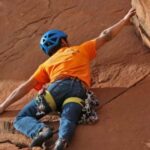
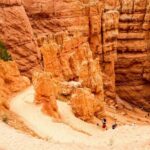
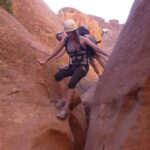
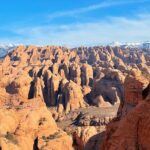
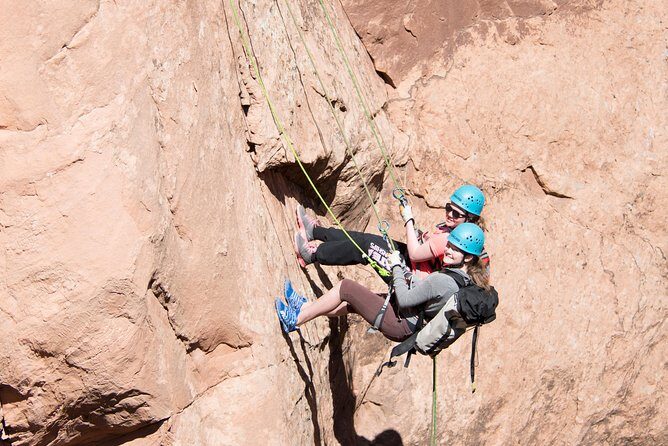
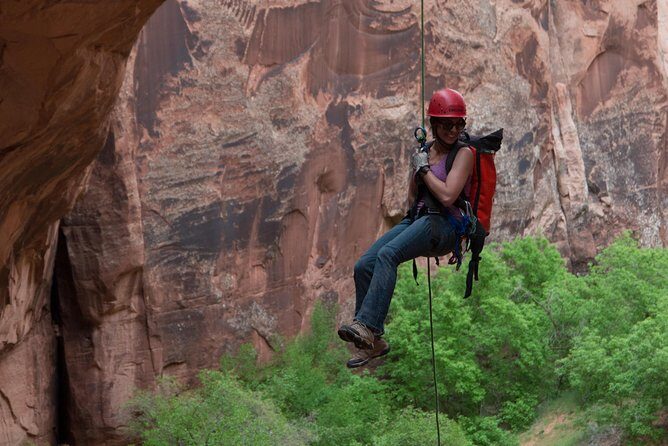
The canyon part focuses on a lesser-visited area within the Moab desert. You’ll explore crevices with technical gear, and the big set pieces are two rappels. Expect the first rappel to feel like the real start of the adventure. It’s where nerves show up for many people, and where a good guide earns trust fast.
This is where Kai’s example from the feedback is useful. If you’re worried about being nervous at the start, take it seriously—but also take comfort in the guide approach. The way the canyon portion is described suggests you’ll be supported through the steep, awkward moments without feeling thrown in.
Between the rappels, you also get a beautiful hike out. That hike isn’t filler. It’s your chance to catch your breath, reset your body, and appreciate what you just learned.
The ecosystem talk: why it adds value beyond the adrenaline
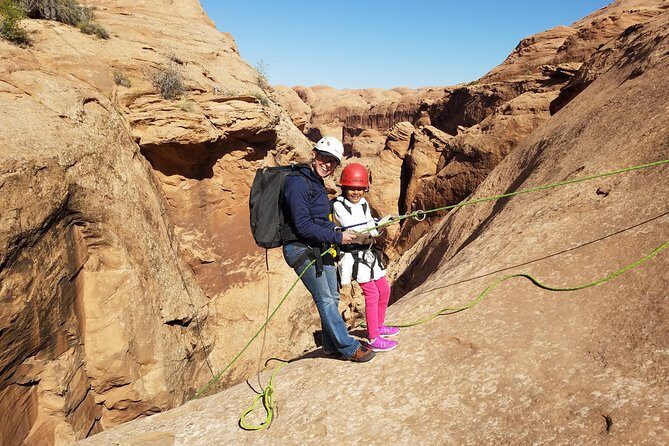
Canyoneering days can turn into pure action with zero meaning. This one adds a layer. Your guide shares information about the local ecosystem while you’re out there.
That matters because deserts aren’t empty. They’re busy systems with plants and survival strategies built for heat, wind, and scarce water. When your guide explains what you’re seeing, you stop treating the area like a backdrop and start understanding it as a living place.
It also keeps your attention grounded. Instead of only thinking about what’s next on the rope line, you’ll notice details around you and learn why they exist. That makes the experience stick longer than the photos.
Transition to the Colorado River: lunch time and safety briefing
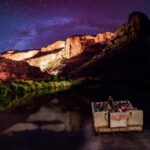
After the hike out, you hop in the van and drive along the Colorado River. There’s time to eat lunch and talk about river safety. Even though lunch isn’t included, the structure of the day gives you an actual moment to refuel instead of a rushed changeover.
Then you make a key decision: choosing the best put-in for your group based on ability and goals for the afternoon. This is one of those details that sounds administrative, but it changes how the day feels. It’s the difference between forcing everyone into the same level of water and letting the guide shape the route to match your comfort.
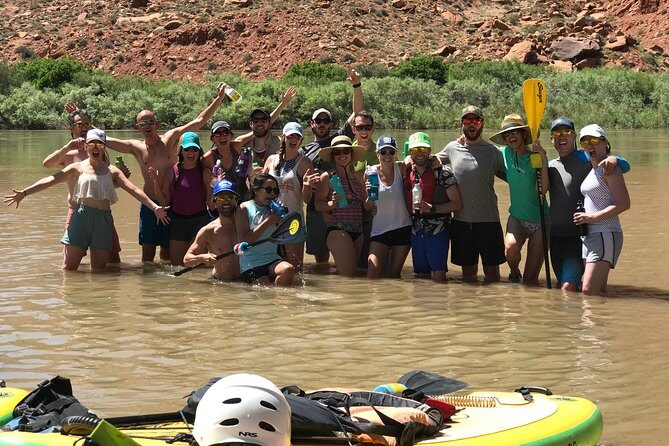
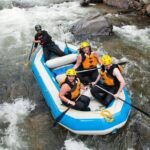
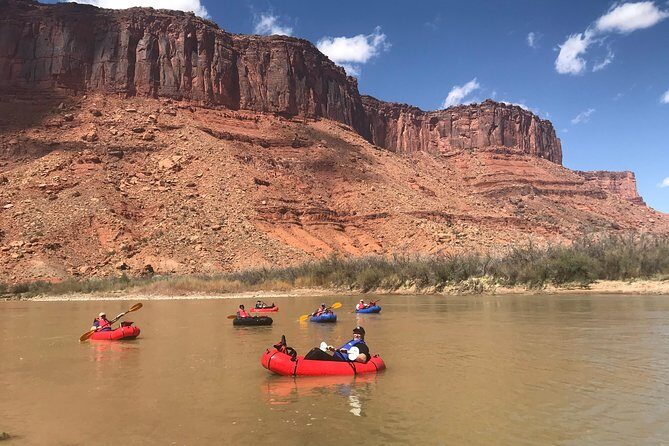
You’ll then launch on the river and float through rapids or enjoy a scenic flat-water float—whichever fits what your heart wants that day. That flexibility is a quiet advantage. You get to be active, but you also get to choose your version of fun.
Packrafting on the Colorado: thrills, control, and choosing your water
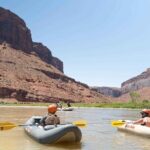
Once you hit the water, the day shifts from vertical movement to floating and paddling. The packraft setup (Alpacka packraft, paddle, and PFD) is designed to give you stability and confidence right away.
If you want rapids, the day can deliver that energy. If you’d rather keep it easier and focus on scenery and flow, you can do that too. The important part is that your guide makes the recommendation based on your group, not on a one-size-fits-all template.
And yes, it’s different from kayaking. Packrafts handle in a distinct way—lighter, more nimble, and more sensitive to how you position your body and paddle. That difference can be thrilling for confident paddlers and reassuring for beginners who want straightforward coaching.
Either way, the river portion becomes a payoff. You’ve done rope work and hiking; now you get to move with the current and enjoy the change of pace.
Price and value: what $365 actually covers
At $365 per person, you’re paying for more than access to outdoor scenery. You’re buying instruction, transportation, and gear for two separate activities.
Here’s what’s included:
- private, personalized tour with a professional guide
- all necessary canyoneering gear
- personal Alpacka packraft, paddle, and PFD
- transportation, including hotel pick-up and drop-off if requested
What’s not included:
- lunch
- bottled water (you bring it)
Value comes from how the included items remove friction. You don’t need to hunt down rentals or schedule separate days for canyoneering and rafting/paddling. Also, because it’s private, you’re not squeezed into a mass itinerary that may not match your comfort level.
If you’re the type who wants an outdoor day that feels intentional—learn something, do something real, then enjoy the river without logistics headaches—this price can make sense.
Who this tour suits best (and who should pause)
This combo works for both beginner and experienced canyoneers. That’s rare, and it’s usually a sign the guides are focused on teaching rather than only taking experts.
You’ll probably love it if:
- you want a guided day that teaches you practical rope skills
- you’re curious about packrafting and want the thrill without planning a route yourself
- you enjoy having a choice on the river (rapids vs flat water)
- you prefer a private experience with personalized pacing
You might reconsider if:
- you don’t want an early start or a full, active day
- you’re not comfortable being out in technical terrain (even with instruction)
- weather is iffy around your travel dates, since good conditions are required
What to bring for a smooth day on land and water
The essentials are straightforward and worth following closely.
Bring:
- enough food for 6–8 hours (lunch isn’t included)
- water: plan on 2 to 3 liters per person
- your own lunch so you can actually eat during the river break
The tour provides the canyoneering gear and your packraft setup. So you’re not responsible for technical equipment, but you are responsible for staying fueled and hydrated through the long active stretch.
Also, because the day is weather-dependent, you should be ready for conditions to affect what happens. The operator will work with weather constraints, and you’ll be offered a different date or a full refund if the tour is canceled due to poor weather.
Quick practical tips that make a difference
A few small choices will help you enjoy the day more:
- Eat before you start, then bring food for the middle of the day. You’re out long enough that hunger can kill your focus.
- Hydrate early. Waiting until you feel thirsty in the desert is a bad strategy.
- Go into the rappels with the goal of learning. Your confidence builds fast once you understand what to do and why.
- When you’re asked about rapids vs flat water, be honest. The best put-in choice is the one that matches how your group feels.
Should you book this Moab canyoneering and packrafting combo?
If you’re craving an outdoors day that feels like two real activities, this is a strong pick. The canyoneering portion gives you guided rappels and canyon exploration, then the river portion delivers a fun, different kind of water time with packrafting.
Book it if you want:
- a private, guide-led experience with gear handled for you
- a day that includes both technical adventure and a calmer float option
- confidence-building instruction, including support when nerves show up
Skip it if:
- you hate early mornings
- you’re not prepared to bring your own lunch and carry enough water
- your schedule can’t flex if weather forces a change
FAQ
How long is the Moab canyoneering and packrafting combo?
It runs about 7 hours (approx.), starting at 7:00 am and ending back at the meeting point.
Where do I meet, and does the tour offer hotel pick-up?
You meet at Desert Highlights, 16 S 100 E, Moab, UT 84532. Hotel pick-up and drop-off are available upon request.
Is this a private tour or shared experience?
This is a private tour/activity, so only your group participates.
What gear is included for canyoneering and packrafting?
You’ll get all necessary canyoneering gear, plus a personal Alpacka packraft, paddle, and PFD for the river portion.
What food and water should I bring?
Lunch is not included, so bring enough food for about 6–8 hours. Bottled water isn’t included either; bring between 2 and 3 liters of water per person.
What happens if weather is poor?
This experience requires good weather. If it’s canceled due to poor weather, you’ll be offered a different date or a full refund.